Free Shipping Sitewide | 1 Year Warranty

Comparing Maintenance Costs Across Machine Types
Protect your profit margins by understanding the true long-term expenses of your fleet with our comprehensive equipment maintenance cost comparison.
5/20/20266 min read
Purchasing heavy machinery represents a massive financial commitment for any contracting business. However, the initial price tag listed on the dealership invoice only tells a fraction of the entire financial story. The true financial impact of your fleet reveals itself gradually over thousands of operating hours. Understanding how different machines drain your working capital through routine service and sudden repairs is absolutely essential for protecting your bottom line. We know that running a highly profitable contracting firm requires a complete, authoritative understanding of long-term ownership expenses.
To maintain total operational control, business owners must approach their fleet management strategy with meticulous precision. Conducting a thorough equipment maintenance cost comparison allows you to anticipate future expenses and allocate your capital effectively. This comprehensive guide explores the profound maintenance differences across mini excavators, skid steers, and wheel loaders. We will examine how wear parts, service complexity, fluid management, and downtime risks vary significantly between these distinct machine classes. By mastering this financial analysis, you empower your company to make intelligent purchasing decisions and secure uncompromising reliability from your heavy equipment.
The True Cost of Heavy Equipment Ownership
Evaluating the overall financial health of your fleet requires looking far beyond monthly financing payments. Long-term ownership costs encompass every single dollar spent to keep a machine operating safely and efficiently on the job site. This includes routine preventative maintenance, expensive emergency repairs, daily diesel fuel consumption, and the eventual replacement of heavily degraded wear parts. When you underestimate these ongoing expenses, you inadvertently destroy your project profit margins and jeopardize the financial stability of your entire business.
Different machine types impose completely different financial burdens on your maintenance budget. A high-speed wheel loader loading aggressive crushed stone experiences entirely different mechanical stress than a compact track loader performing delicate final grading. You must carefully analyze the specific maintenance requirements of each machine class before committing your hard-earned capital. Delivering exceptional results to your clients demands equipment that remains consistently active, and proper maintenance funding guarantees that reliability.
We believe that informed fleet managers make the most profitable decisions. By prioritizing a deep understanding of lifecycle costs, you position your contracting firm as a highly authoritative leader in a demanding market. Anticipating the specific financial demands of your mini excavators, skid steers, and wheel loaders ensures you never face devastating budget shortfalls when critical service intervals arrive.
Wear Parts and Routine Replacement Expenses
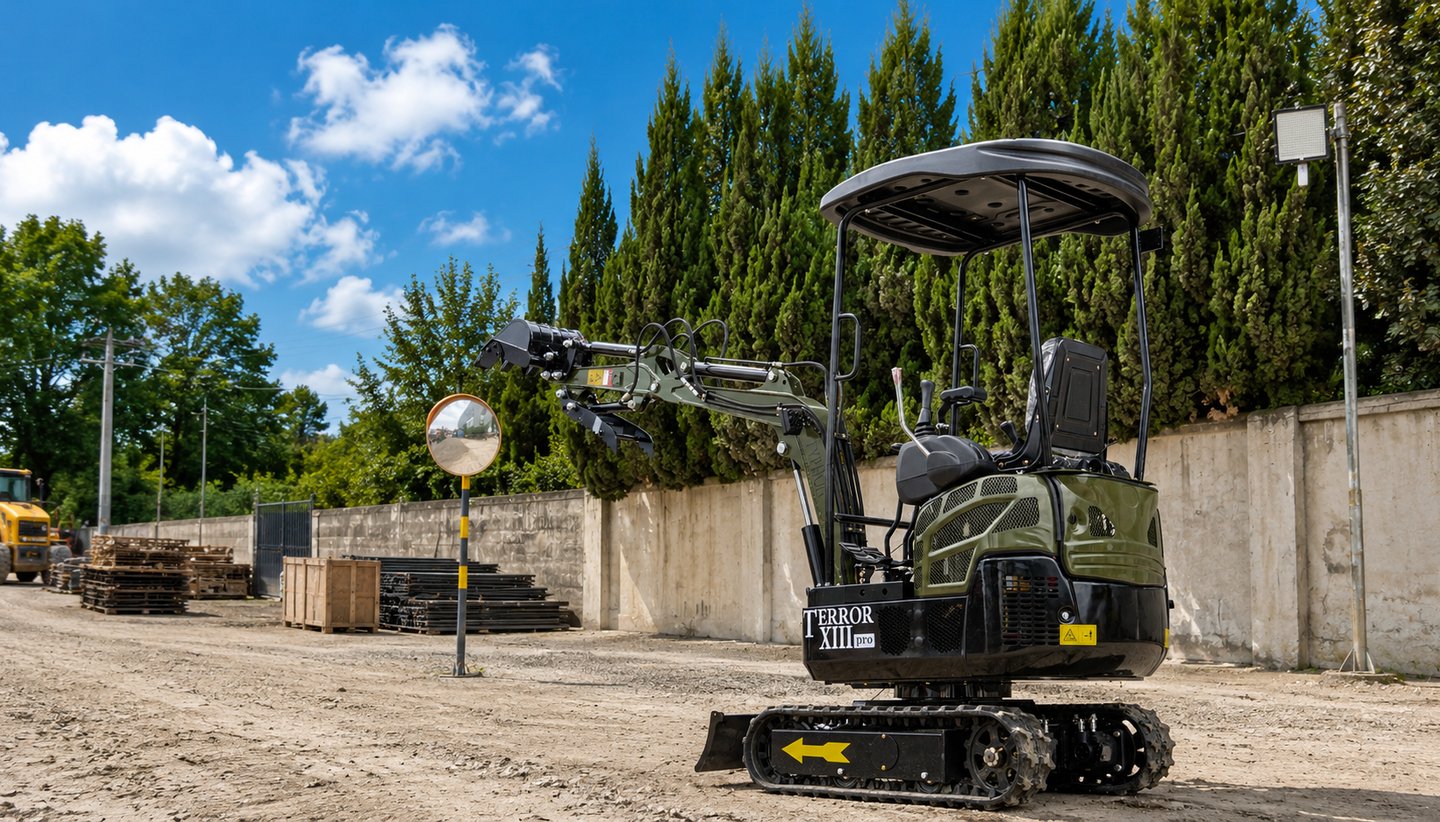
Every piece of heavy machinery consumes wear parts as it interacts with harsh job site environments. The frequency and cost of replacing these components vary dramatically depending on the engineering of the specific machine. Mini excavators rely on heavy steel or continuous rubber tracks, complex undercarriage rollers, and specialized digging buckets. Because excavators typically remain stationary while the upper house rotates to dig, their undercarriage components experience significantly less travel wear than highly mobile machines. This stationary operational style dramatically extends the lifespan of the tracks and drive sprockets, keeping long-term replacement costs relatively manageable.
Conversely, skid steer loaders and compact track loaders are in constant motion, aggressively pivoting and counter-rotating across abrasive surfaces to maneuver. This relentless movement subjects their tires or rubber tracks to extreme friction and rapid degradation. Operating a skid steer on harsh concrete or sharp asphalt will shred a set of premium commercial tires in a matter of months. Fleet managers must budget aggressively for frequent tire and track replacements when heavily utilizing skid steers, as these consumables represent a massive portion of the machine's lifetime operating expense.
Wheel loaders introduce a completely different wear part dynamic to your financial calculations. These massive machines utilize towering commercial pneumatic tires designed to carry staggering loads at high speeds. While wheel loader tires are incredibly expensive to replace, the articulated steering geometry of the machine prevents the destructive scuffing action seen in skid steers. Because the tires roll naturally through turns rather than dragging across the earth, they boast an exceptionally long service life. Investing in premium wheel loader tires upfront yields a highly favorable return on investment by significantly delaying the massive cost of replacement.
Service Complexity and Technician Requirements
The complexity of a machine's internal engineering directly dictates the cost of routine servicing and emergency repairs. Modern heavy equipment relies heavily on sophisticated hydraulic networks, computerized engine control modules, and advanced emissions systems. Servicing a massive wheel loader often requires specialized diagnostic equipment and highly trained heavy-duty mechanics. When a primary hydraulic pump fails on a large wheel loader, the physical size and complexity of the component demand extensive labor hours and incredibly expensive replacement parts.
Mini excavators and skid steers feature much more compact engineering, which presents unique maintenance challenges and benefits. The tightly packed engine compartments of these smaller machines often make routine access difficult for your internal mechanics. Technicians must navigate around dense clusters of hydraulic hoses and exhaust components just to change a simple fuel filter or inspect a serpentine belt. While the replacement parts for compact equipment cost significantly less than those for massive wheel loaders, the restricted access can occasionally inflate the hourly labor costs during complex repairs.
We strongly encourage facility managers to evaluate the serviceability of a machine before finalizing a purchase. Equipment manufacturers that prioritize easy access to routine maintenance points empower your internal team to perform daily fluid checks and filter changes with absolute efficiency. When your crew can service a skid steer or mini excavator quickly and safely, you drastically reduce your reliance on expensive third-party dealer technicians. Taking control of your routine preventative maintenance preserves your working capital and guarantees your machinery receives the meticulous care it requires.
Fuel Consumption and Fluid Management
Daily operational expenses account for a massive percentage of your overall lifecycle costs. Fuel consumption remains the most visible and impactful ongoing expense for any active earthmoving operation. Massive wheel loaders require incredibly powerful, high-displacement engines to generate the breakout force necessary to load commercial transport trucks. These massive power plants consume staggering volumes of expensive diesel fuel during a heavy ten-hour shift. If your contracts do not require moving massive daily tonnages, deploying an oversized wheel loader rapidly burns through your project budget in completely unnecessary fuel costs.
Compact equipment like mini excavators and skid steers utilizes highly efficient, smaller displacement engines that dramatically reduce your daily fuel overhead. Advanced engineering ensures these agile machines maximize every drop of diesel, delivering exceptional hydraulic power without the massive fuel burn. When your operators utilize an efficiently sized mini excavator for trenching rather than an oversized machine, you immediately capture significant daily fuel savings. This targeted efficiency protects your profit margins and allows you to submit highly competitive bids for demanding commercial projects.
Beyond diesel fuel, you must carefully calculate the costs of managing heavy industrial lubricants and hydraulic fluids. Large wheel loaders require massive fluid capacities, demanding expensive bulk purchases of specialized hydraulic oil and heavy-duty coolants during every major service interval. Compact machinery requires significantly lower fluid volumes, lowering the financial impact of routine oil changes and system flushes. We know that closely monitoring these consumable expenses provides your business with a clear, accurate picture of your true operating costs.
Mitigating Downtime Risk and Lost Revenue
The most expensive aspect of heavy equipment maintenance is not the cost of the parts or the mechanic's labor rate; it is the devastating financial impact of unexpected downtime. When a critical machine suffers a catastrophic failure, your entire job site grinds to a highly unprofitable halt. Your highly paid tradesmen stand idle, commercial transport trucks wait empty, and your strict project deadlines rapidly slip away. Protecting your business from this catastrophic revenue loss requires prioritizing unwavering mechanical reliability over a cheap initial purchase price.
Different machines carry varying levels of downtime risk based on their primary job site functions. If your single wheel loader breaks down at a commercial quarry, the entire material processing operation stops immediately. Because wheel loaders often serve as the singular logistical bottleneck for an entire facility, their maintenance must be managed with absolute, uncompromising discipline. You cannot afford to delay preventative service intervals on a machine that carries the weight of your entire production schedule.
Skid steers and mini excavators often operate in fleets, providing a slight buffer against total operational failure. If one skid steer requires an emergency hydraulic repair, you can frequently dispatch another compact machine to temporarily cover the workload. However, you must establish a rigorous preventative maintenance culture to keep these versatile machines active. By partnering with a deeply trusted equipment provider and demanding meticulous daily inspections from your operators, you neutralize the threat of unexpected breakdowns and ensure your contracting firm consistently delivers excellence.
Conclusion
Securing the lasting profitability of your commercial enterprise requires a profound, data-driven approach to heavy equipment management. You simply cannot build a resilient contracting business without thoroughly understanding the specific financial demands of your machinery. By conducting a rigorous equipment maintenance cost comparison, you empower your management team to anticipate expenses, allocate capital strategically, and completely avoid devastating budget shortfalls.
We encourage you to evaluate your current fleet and calculate the true historical costs of your wear parts, fuel consumption, and routine service intervals. Look closely at how your mini excavators, skid steers, and wheel loaders impact your bottom line differently. By investing in highly reliable machinery and demanding absolute discipline in your preventative maintenance programs, you protect your hardworking employees and secure your position as a deeply trusted authority in the construction industry.
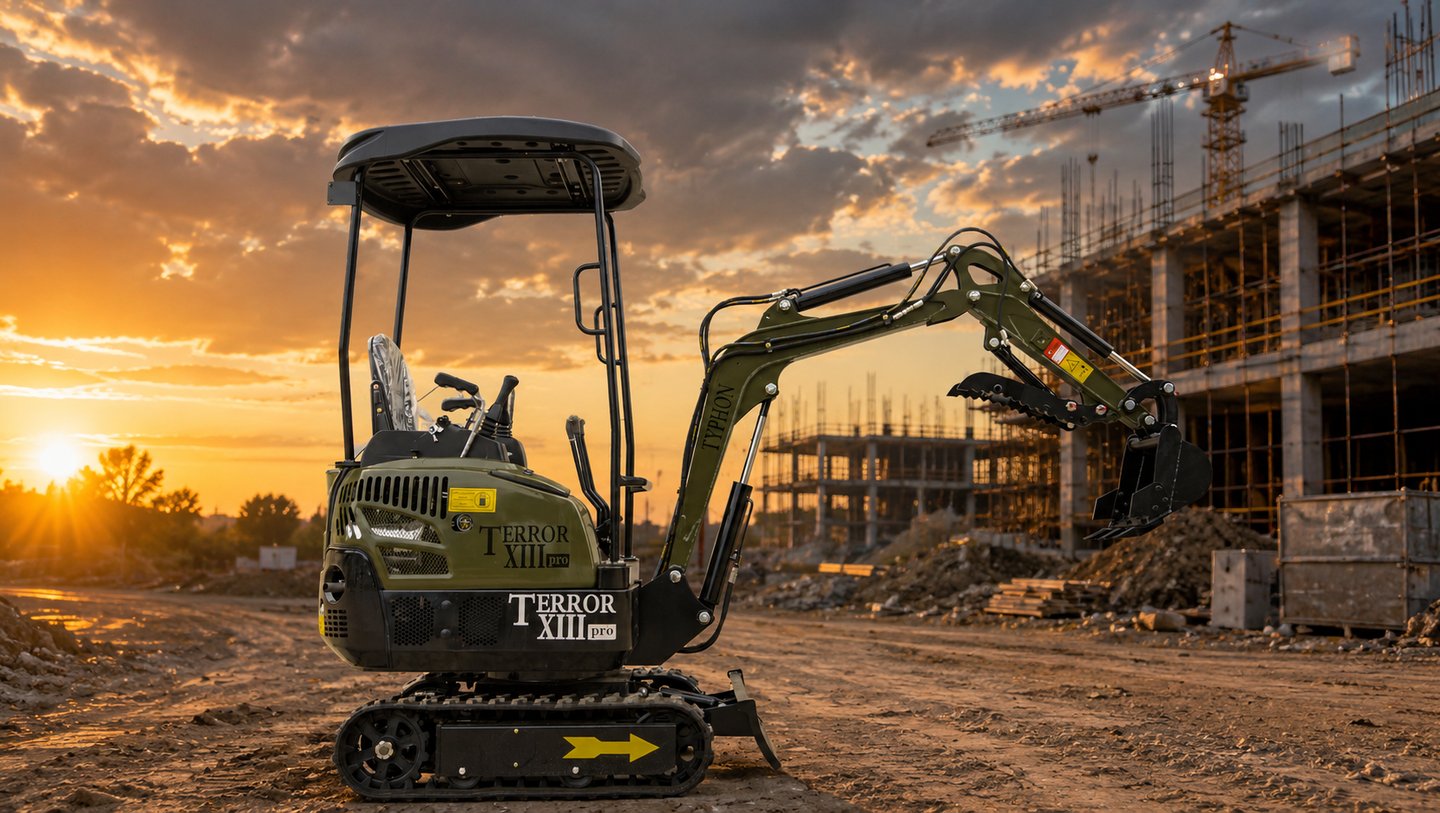
Leading provider of heavy equipment solutions in the US such as mini excavator diggers and skid steers. When looking for a reliable mini excavator supplier, look for New Excavator. Quality compact mini excavators backed by a strong after sales service and a widespread inventory of spares.
Contact us for equipment inquiries
© 2026. All rights reserved USA EXCAVATORS
Follow us now