Free Shipping Sitewide | 1 Year Warranty

Construction Equipment Maintenance Checklist
Use our equipment maintenance checklist to build a heavy equipment service schedule, prevent machine breakdown, and protect your commercial fleet investments.
4/11/20268 min read
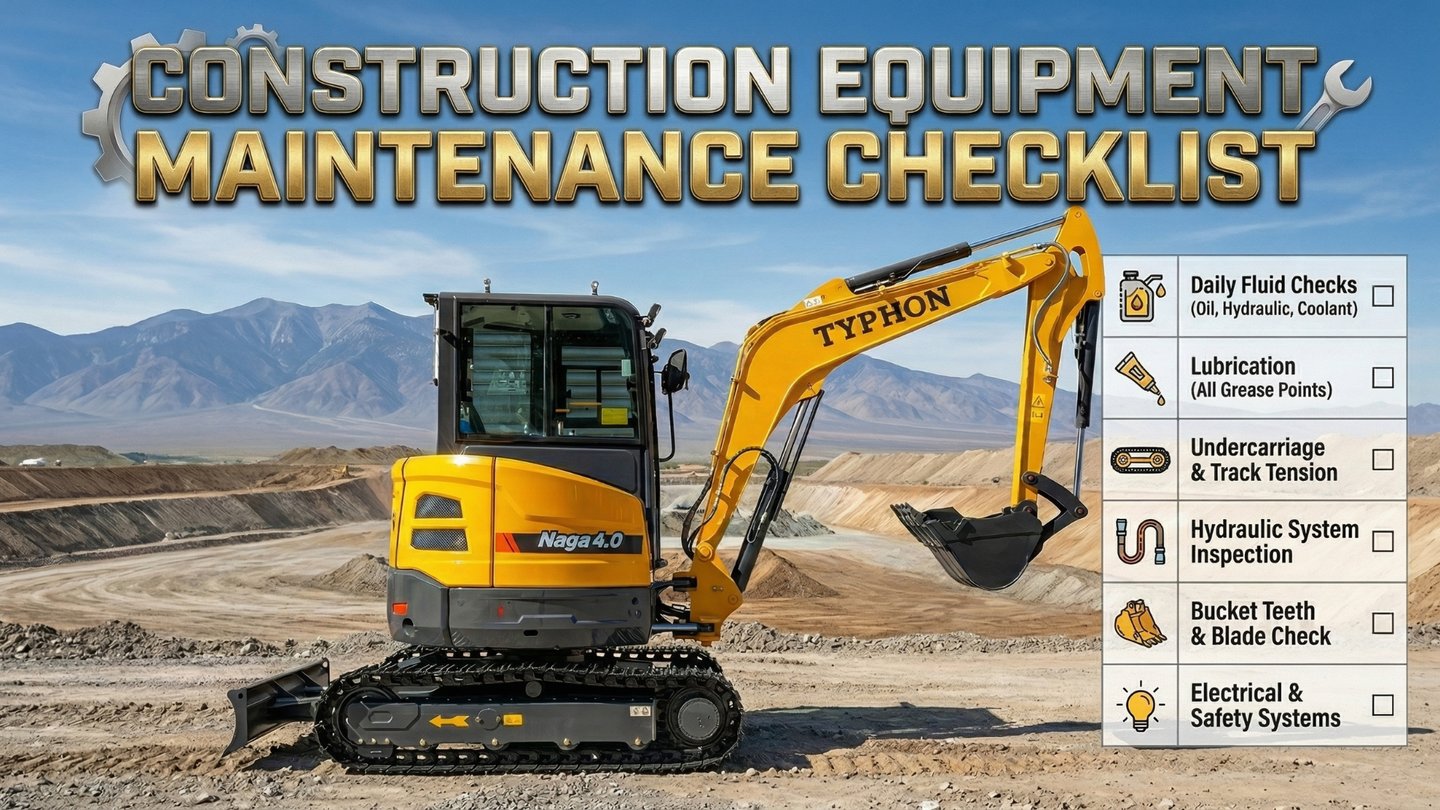
Every hour a machine sits broken on your job site is money lost. Downtime slows your projects, puts pressure on deadlines, and can damage the trust you’ve built with your clients. When you have so much invested in your equipment, protecting it is not optional—it is essential. A consistent maintenance routine is one of the most reliable ways to keep your machines running and your business moving forward.
Some contractors see maintenance as a hassle that gets in the way of getting work done, but in reality, skipping it only leads to bigger and more expensive problems later. Small issues can quickly turn into major breakdowns, costing you time, money, and unnecessary stress. When you treat maintenance as part of your daily operations, you stay in control and avoid those costly surprises.
In this guide, we break things down into simple, practical steps you can follow every day, week, and month. You will learn how to build a solid service routine, prevent unexpected failures, and extend the life of your equipment. By staying consistent and proactive, you can keep your fleet reliable, reduce downtime, and protect the long-term value of your investment.
The Power of Preventative Maintenance
Preventive maintenance is all about fixing small issues before they turn into expensive problems. You cannot wait until a machine starts smoking or shaking to take action—by then, the damage is already done. Taking a proactive approach helps you catch wear and tear early, saving you a lot of money over the life of your equipment.
Simple habits like greasing moving parts and changing old fluids make a big difference. They reduce strain on the engine, keep hydraulic systems running smoothly, and help prevent overheating. When your machines are properly maintained, they perform better, use less fuel, and last much longer.
On top of that, keeping clear maintenance records adds real value to your equipment. When it comes time to sell or upgrade, buyers are willing to pay more for well-cared-for machines. In the long run, staying consistent with maintenance does not just prevent breakdowns—it protects your investment and strengthens your business.
Daily Equipment Maintenance Checklist
The most critical maintenance happens before your operator even turns the ignition key. Daily inspections catch minor, easily fixable issues before the machine enters a high-stress digging environment. You must train your operators to perform a systematic walkaround every single morning.
The Visual Walkaround Inspection
Your operator should start by walking a slow, complete circle around the parked machine. They must look underneath the chassis for fresh puddles of engine oil, green coolant, or clear hydraulic fluid. Catching a loose hose fitting early takes five minutes to tighten, but ignoring it will completely drain your hydraulic reservoir and destroy the main pump.
During this walkaround, the operator must carefully inspect the massive steel boom arms and the bucket linkage. They should look for hairline fractures in the metal or cracked welds near the high-stress pivot joints. If the machine uses heavy rubber tracks, they must check for deep lacerations or embedded rocks that could tear the track during operation.
Checking Critical Fluid Levels
Fluids serve as the lifeblood of your heavy equipment. Operating a massive diesel engine with low oil guarantees severe internal scoring and eventual seizure. Your daily checklist must mandate checking the engine oil dipstick while the machine sits on perfectly level ground.
Operators must also check the engine coolant reservoir and the hydraulic fluid sight glass. If any fluid registers below the minimum safe operating line, the operator must top it off with the exact manufacturer-specified fluid before starting the engine. Mixing different grades of hydraulic fluid instantly degrades the oil's viscosity and damages the internal pump seals.
Essential Daily Greasing
Construction equipment features massive steel pins and bushings that endure immense physical friction during operation. Without proper lubrication, these steel joints grind against each other, eventually hollowing out the mounting holes. Greasing these pivot points serves as the most important daily task to prevent machine breakdown.
Operators must pump fresh, high-grade lithium grease into every single zerk fitting on the loader arms, bucket linkage, and steering cylinders. They should pump just enough grease so that a tiny amount visibly pushes out from the edges of the joint. This fresh grease flushes out abrasive job site dust and provides a smooth, protective barrier between the heavy steel components.
Weekly Heavy Equipment Service Schedule
While daily checks focus on immediate operational safety, your weekly maintenance routine dives deeper into the machine's core systems. You should designate a specific day, typically Friday afternoon or Monday morning, to perform these comprehensive weekly inspections.
Tire Pressure and Track Tension
For wheeled machinery like skid steers and wheel loaders, you must verify the tire pressure using a calibrated commercial gauge. Underinflated tires cause the machine to bounce violently while carrying heavy loads, putting immense stress on the axles. Proper inflation ensures maximum pushing traction and prevents rapid, uneven tread wear.
If you operate excavators or compact track loaders, you must measure the track tension weekly. Tracks naturally stretch as they break in. If a track becomes too loose, it will easily derail from the undercarriage when the operator makes a sharp turn in heavy mud. Your mechanic must adjust the tension using the specialized grease cylinder located inside the track frame.
Air Filter Maintenance
Construction sites generate thick clouds of abrasive, choking dust. Your machine's engine relies on a massive air filter assembly to capture this dirt before it enters the sensitive combustion chambers. A clogged air filter starves the engine of vital oxygen, forcing it to burn excessive amounts of diesel fuel and severely reducing its raw horsepower.
You must open the air filter housing weekly to inspect the primary and secondary elements. Tap the primary filter gently against a tire to dislodge loose dust. Never use high-pressure compressed air to clean these filters, as the intense blast easily tears the delicate paper pleats. If the filter appears heavily stained or damaged, replace it immediately to protect the engine.
Inspecting Belts and Hoses
Open the main engine compartment and carefully inspect the heavy rubber serpentine belt that drives the alternator and water pump. Look for deep cracks, fraying edges, or a shiny, glazed appearance on the belt's surface. If the belt snaps while the machine operates under a heavy load, the engine will overheat entirely within minutes.
Run your hands carefully along the thick, high-pressure hydraulic hoses connecting the main pump to the lifting cylinders. Check for areas where the outer rubber casing has rubbed completely away, exposing the braided steel wire underneath. You must replace deeply chafed hoses proactively before they burst and spray scalding hydraulic fluid across your job site.
Monthly Equipment Maintenance Checklist
Monthly maintenance tasks require dedicated time and specialized mechanical knowledge. These comprehensive checks ensure the internal systems operate at peak efficiency and help you forecast major component replacements before they fail unexpectedly.
Fluid Sampling and Deep Analysis
You cannot determine the true health of your engine or hydraulic system simply by looking at the color of the oil. Professional contractors rely on comprehensive fluid sampling to detect microscopic internal wear. Once a month, your mechanic should extract small samples of engine oil, hydraulic fluid, and final drive gear oil.
You send these small vials to an independent, specialized testing laboratory. The lab analyzes the fluid for microscopic traces of copper, iron, and silica dirt. If the lab detects a sudden spike in iron particles within the engine oil, you know a major internal bearing is currently failing. This advanced warning allows you to schedule a controlled engine rebuild during the off-season rather than suffering a catastrophic failure mid-project.
Deep Cleaning and Debris Removal
Mud, wet clay, and packed dirt act as a powerful insulating blanket over your machine's critical components. If you allow heavy mud to pack tightly around the hydrostatic drive motors or the engine oil pan, the machine cannot dissipate heat properly. This baked-on mud directly causes severe overheating issues during the hot summer months.
Once a month, you must perform a comprehensive deep cleaning of the entire machine using an industrial pressure washer. Blast away all packed dirt from the undercarriage, paying special attention to the cooling radiators. When you keep the radiator fins completely free of dust and debris, you ensure maximum airflow and keep the engine running at its optimal temperature.
Comprehensive Structural Checks
Vibration constantly attempts to rattle your heavy machinery apart. During your monthly inspection, your mechanic must check the torque on all major structural bolts. They should verify that the massive bolts holding the heavy counterweight, the rollover protection structure (ROPS), and the swing bearing remain perfectly tight to the manufacturer's exact specifications.
Furthermore, inspect the cutting edges and bolt-on teeth attached to your heavy dirt buckets. As these steel engagement tools wear down, the bucket itself begins to absorb the raw digging impact. Replacing a set of worn bucket teeth costs very little, but having a welding shop rebuild a completely worn-out bucket lip costs thousands of dollars.
Leverage Technology for Maintenance Tracking
Managing a heavy equipment service schedule for an entire fleet using paper notebooks easily leads to massive organizational failures. Modern contractors must leverage advanced digital fleet management software to track their maintenance tasks flawlessly. These powerful systems completely remove the dangerous guesswork from your daily operations.
Modern machinery features advanced telematics systems that constantly monitor the engine hours and internal fluid temperatures. These systems beam the data directly to your fleet manager's computer. The software automatically alerts your maintenance team exactly when a specific excavator requires a 500-hour hydraulic filter change. Relying on accurate digital data guarantees you never accidentally skip a critical service interval.
Protect Your Fleet and Secure Your Profits
Delivering exceptional results for your clients requires highly reliable, perfectly maintained heavy machinery. You now understand exactly how to build and execute a comprehensive equipment maintenance checklist. By committing to rigorous daily walkarounds, thorough weekly inspections, and deep monthly analysis, you completely protect your most valuable physical assets.
Take the time this week to review your current maintenance protocols with your operators and mechanics. Ensure they fully understand the critical importance of regular greasing, fluid checks, and proactive hose replacements. When you make preventative maintenance the foundation of your business culture, you drastically reduce your operating costs, eliminate unexpected downtime, and secure maximum profitability on every single contract.
Conclusion
In the end, keeping your equipment in top condition is not just about avoiding breakdowns—it is about building a reliable and profitable operation. When you stay consistent with daily checks, weekly inspections, and deeper monthly maintenance, you reduce unexpected downtime and keep your projects running smoothly. That consistency gives you more control over your schedules, your costs, and your overall performance on the job site.
A well-maintained machine does more than just work—it works efficiently, uses less fuel, and lasts longer. Over time, this translates into real savings and stronger returns on your investment. Instead of reacting to costly failures, you stay one step ahead by catching small issues early and fixing them before they grow into major problems.
By making maintenance a core part of your routine, you protect not only your equipment but your reputation as well. Clients notice when projects stay on track and equipment runs reliably. In the long run, a disciplined maintenance approach helps you build a stronger fleet, reduce financial risk, and position your business for steady, long-term growth.
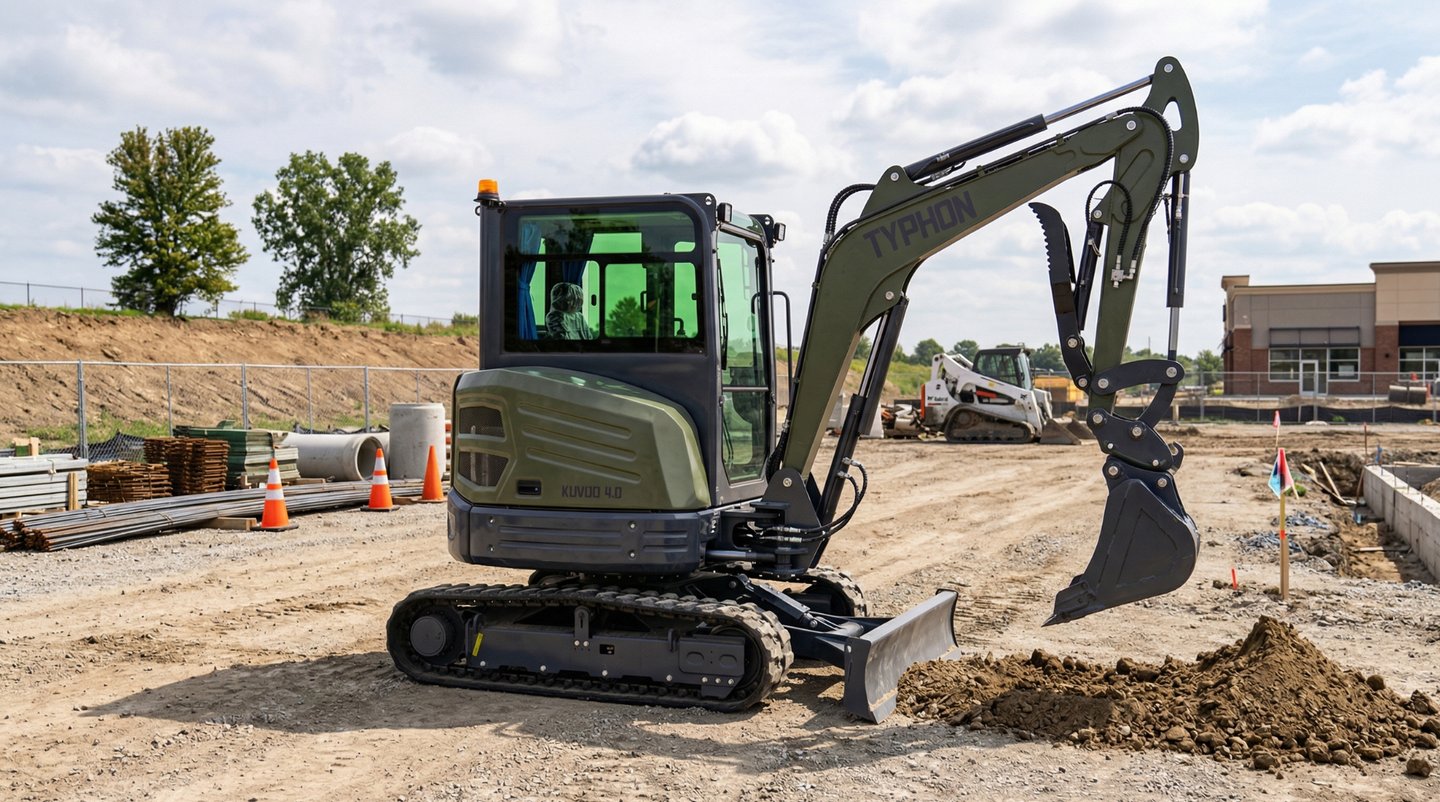
Leading provider of heavy equipment solutions in the US such as mini excavator diggers and skid steers. When looking for a reliable mini excavator supplier, look for New Excavator. Quality compact mini excavators backed by a strong after sales service and a widespread inventory of spares.
Contact us for equipment inquiries
© 2026. All rights reserved USA EXCAVATORS
Follow us now