Free Shipping Sitewide | 1 Year Warranty

Equipment Selection for Multi-Task Projects
Learn how to select the right multi task equipment to handle site preparation, heavy digging, material loading, and final grading with absolute precision.
5/16/20267 min read
Executing a highly complex commercial or residential build requires extraordinary logistical foresight. Contractors rarely encounter a job site that demands only a single, highly specialized function. Instead, most projects present a chaotic sequence of completely different operational phases, constantly shifting from aggressive demolition to delicate final grading. Managing these transitions smoothly separates highly profitable contracting firms from those plagued by continuous delays. You need heavy machinery that adapts instantly to these changing demands, keeping your dedicated workforce productive from the moment they arrive until the final site cleanup is complete.
To maintain total operational control, business owners must approach their equipment strategy with meticulous precision. Choosing the right machinery for a project with overlapping phases requires deeply understanding how different equipment platforms complement your specific daily workflow. This comprehensive guide outlines the exact strategies successful contractors use to match their heavy machinery to multi-phase job sites. We will explore how integrating highly versatile multi task equipment into your fleet completely transforms your approach to site preparation, heavy excavation, material loading, and finish grading. By mastering this selection process, you guarantee uncompromising efficiency and fiercely protect your hard-earned profit margins.
Mapping the Complete Jobsite Workflow
Successful equipment selection always begins long before the heavy transport trailers arrive at the property. Facility managers and site foremen must meticulously map out the entire project workflow, identifying every specific physical task required to complete the contract. You must evaluate the chronological sequence of operations, understanding exactly how the site preparation phase transitions into the heavy digging phase, and how the excavated material will subsequently be loaded and removed. Failing to plan this specific operational flow results in bringing the wrong machinery to the site, severely bottlenecking your progress.
Understanding the spatial constraints of the property during each specific phase is equally critical. A sprawling commercial lot might offer plenty of room for a massive machine during the initial site clearing, but that same space quickly disappears once foundational trenches are dug and raw building materials are staged across the yard. You must choose machinery that can operate safely within the tightest, most restrictive phase of the project. By anticipating these spatial limitations, you ensure your operators always have the physical breathing room necessary to work confidently and safely.
This strategic mapping process also highlights exactly where different tasks overlap. On a highly efficient job site, the excavation crew might be digging a deep utility trench on the north end of the property while a separate team actively grades the southern perimeter. Recognizing these concurrent activities allows you to select a combination of machines that work harmoniously together without getting in each other's way.
The Unmatched Value of Multi Task Equipment
When facing a highly diverse scope of work, contractors often face the difficult choice between renting several highly specialized machines or investing in a single, highly adaptable platform. Bringing four completely different pieces of heavy machinery to a moderately sized project drains your logistical budget and creates dangerous congestion across the active work zone. To solve this massive operational challenge, forward-thinking contractors rely heavily on premium multi task equipment. These versatile base machines utilize advanced hydraulic systems to power dozens of specialized attachments, allowing them to shift seamlessly between entirely different job roles.
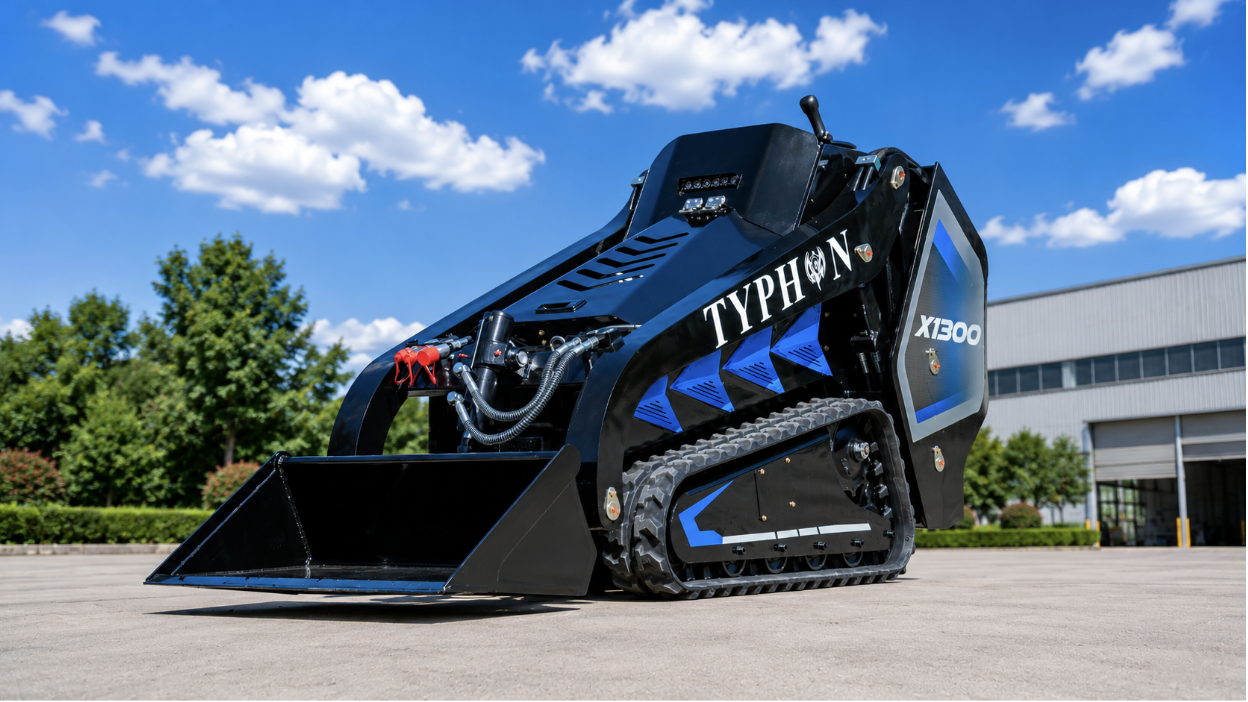
A premium skid steer loader or a high-flow compact track loader serves as the ultimate example of this adaptable engineering philosophy. By simply swapping the front attachment, your operator can transition from clearing heavy brush with a rotary cutter to drilling deep foundational piers with a high-torque auger in a matter of minutes. This incredible flexibility completely eliminates the need to pay expensive transportation fees for multiple dedicated machines. You consolidate your heavy equipment expenses into one highly capable asset that continuously generates revenue throughout every single phase of the build.
Investing in adaptable machinery also provides your company with a massive safeguard against unpredictable project changes. When a client suddenly requests an unexpected modification to the site plan, your crew can pivot instantly without waiting days for a rental yard to deliver a different specialized tool. This remarkable operational agility builds immense trust with your clients, proving that your contracting firm is fully prepared to handle complex, evolving challenges with total professional authority.
Conquering Initial Site Preparation and Demolition
The very first phase of any construction project typically involves aggressive site preparation and heavy demolition. When your crew arrives at a neglected lot, they must aggressively clear away dense overgrowth, remove decaying concrete slabs, and haul away massive piles of unstable debris. This destructive phase requires machinery that delivers concentrated breakout force and exceptional ruggedness. Choosing the correct equipment for this specific task sets the pace for the entire remainder of the project.
A heavy-duty skid steer loader equipped with an industrial scrap grapple provides the perfect mechanical solution for chaotic site clearing. The robust loader arms offer the brute lifting strength needed to pry heavy concrete chunks loose from the earth. The hydraulic grapple attachment allows the operator to securely bite down on jagged, unpredictable debris, transporting it safely to waiting roll-off dumpsters. Because the machine features a highly compact footprint, the operator can easily navigate through established trees or existing architectural structures without causing accidental impact damage.
If the site preparation involves extensive land clearing and heavy forestry mulching, a compact track loader frequently stands as the superior choice. The continuous rubber tracks provide unparalleled traction and minimal ground disturbance across soft, uneven forest floors. Your operator can aggressively clear massive swaths of heavy brush and small trees without sinking deep into the unpredictable mud. Matching the traction system of your versatile machine to the specific terrain of your demolition site guarantees your project starts with maximum operational momentum.
Mastering Complex Excavation and Trenching
Once the surface of the property is completely cleared of dangerous debris, the focus immediately shifts downward into the earth. Digging complex utility trenches, carving out deep basements, and exposing aging municipal infrastructure requires surgical precision and dedicated earthmoving power. While a skid steer can certainly move loose dirt, it lacks the specific boom geometry required to reach deep below its own tracks. For this critical phase of the workflow, contractors must integrate the specialized digging capabilities of a modern mini excavator.
The mini excavator is engineered explicitly to conquer demanding subterranean tasks while operating within incredibly tight spatial boundaries. The machine features an articulated boom arm that provides exceptional reach and devastating hydraulic digging force. Your operator can carve perfectly straight, incredibly deep trenches for high-voltage electrical lines without ever repositioning the base of the machine. Because the upper cab rotates independently of the heavy steel undercarriage, the operator can dig the trench and immediately swing the material to the side with absolute fluidity.
To maximize the efficiency of a multi-task project, site managers frequently pair the mini excavator directly with a complementary material handling machine. As the excavator pulls heavy clay from the deep trench, a waiting skid steer or compact wheel loader immediately scoops up the spoils and transports them away from the active digging zone. This perfectly synchronized equipment strategy ensures your highly skilled excavator operator never has to stop digging, drastically accelerating your overall project timeline.
Streamlining Material Loading and Heavy Transport
Excavating heavy earth and demolishing existing structures generates massive volumes of loose aggregate that must be removed from the property rapidly. Furthermore, the construction process requires importing towering stacks of palletized building materials, crushed stone, and fresh topsoil. Moving these heavy materials quickly across the active job site represents one of the most critical logistical challenges your company will face. If you lack the proper material handling equipment, your highly paid tradesmen will waste valuable hours carrying supplies completely by hand.
When the project demands moving thousands of tons of loose aggregate into commercial dump trucks, the articulated wheel loader serves as the ultimate high-speed transport asset. The massive bucket capacity and exceptional forward driving speed allow the wheel loader to clear staging stockpiles in a fraction of the time required by smaller machinery. The operator can swiftly secure a massive payload of crushed stone, reverse smoothly, and load the commercial highway trucks with absolute precision, keeping your transportation partners moving profitably.
However, if the material handling involves delicate, palletized goods navigating through tight residential gates or narrow commercial storage yards, a compact track loader equipped with heavy-duty pallet forks provides the superior solution. The tracked machine safely transports heavy bundles of architectural lumber across muddy, uneven terrain without getting stuck or dropping the fragile inventory. By carefully evaluating the physical size of your job site and the specific nature of your heavy materials, you can deploy the exact loading equipment required to eliminate frustrating logistical bottlenecks.
Achieving Flawless Precision During Final Grading
The concluding phases of a complex project require a dramatic shift from aggressive, heavy lifting to meticulous, highly refined precision. Final site grading, topsoil spreading, and detailed landscape preparation demand equipment that can manipulate the earth with surgical accuracy. Your clients will judge the entire quality of your contracting firm based largely on the visible perfection of this final finish. Deploying clumsy, oversized machinery during this delicate phase easily destroys underground utility lines and ruins the carefully established drainage slopes of the property.
Skid steer loaders excel magnificently during the final grading phase when paired with automated grading attachments. Laser-guided box blades and highly sophisticated power rakes transform the rugged loader into a precision grading instrument. The operator can effortlessly smooth out deep tire ruts, remove hidden rocks from the topsoil, and establish perfectly level sub-grades for upcoming concrete pours. This mechanical finesse eliminates the need for grueling manual labor and guarantees a flawless surface that perfectly meets strict engineering tolerances.
Following the final grade, the versatile loader transitions seamlessly into the ultimate site cleanup tool. By attaching a hydraulic rotary broom to the front of the machine, your operator can swiftly sweep the surrounding public roadways and paved driveways. This rapidly removes hazardous construction dust, stray gravel, and dangerous framing nails from the property. Leaving behind a pristine, perfectly organized job site serves as the ultimate testament to your professional excellence and secures highly lucrative referral business for your growing company.
Conclusion
Securing maximum profitability on highly complex construction projects requires deeply strategic heavy equipment management. You simply cannot afford to disrupt your operational workflow by deploying machinery that fails to adapt to your shifting daily demands. By meticulously mapping your project phases and investing in highly adaptable, versatile machinery, you empower your dedicated workforce to conquer every logistical challenge with absolute professional authority.
We encourage you to carefully evaluate the specific physical requirements of your upcoming multi-task projects before finalizing your equipment strategy. Choose the heavy machinery that perfectly balances raw digging power, rapid material loading speed, and surgical grading precision. By matching your equipment flawlessly to your unique operational workflow, you fiercely protect your working capital, eliminate devastating job site delays, and consistently deliver the exceptional, reliable results your demanding clients expect.
Leading provider of heavy equipment solutions in the US such as mini excavator diggers and skid steers. When looking for a reliable mini excavator supplier, look for New Excavator. Quality compact mini excavators backed by a strong after sales service and a widespread inventory of spares.
Contact us for equipment inquiries
© 2026. All rights reserved USA EXCAVATORS
Follow us now