Free Shipping Sitewide | 1 Year Warranty

How Dust and Environment Affect Equipment Maintenance Needs
Learn how the dust effect equipment maintenance requirements and discover proven strategies to protect your heavy machinery from harsh environmental damage.
4/28/20265 min read
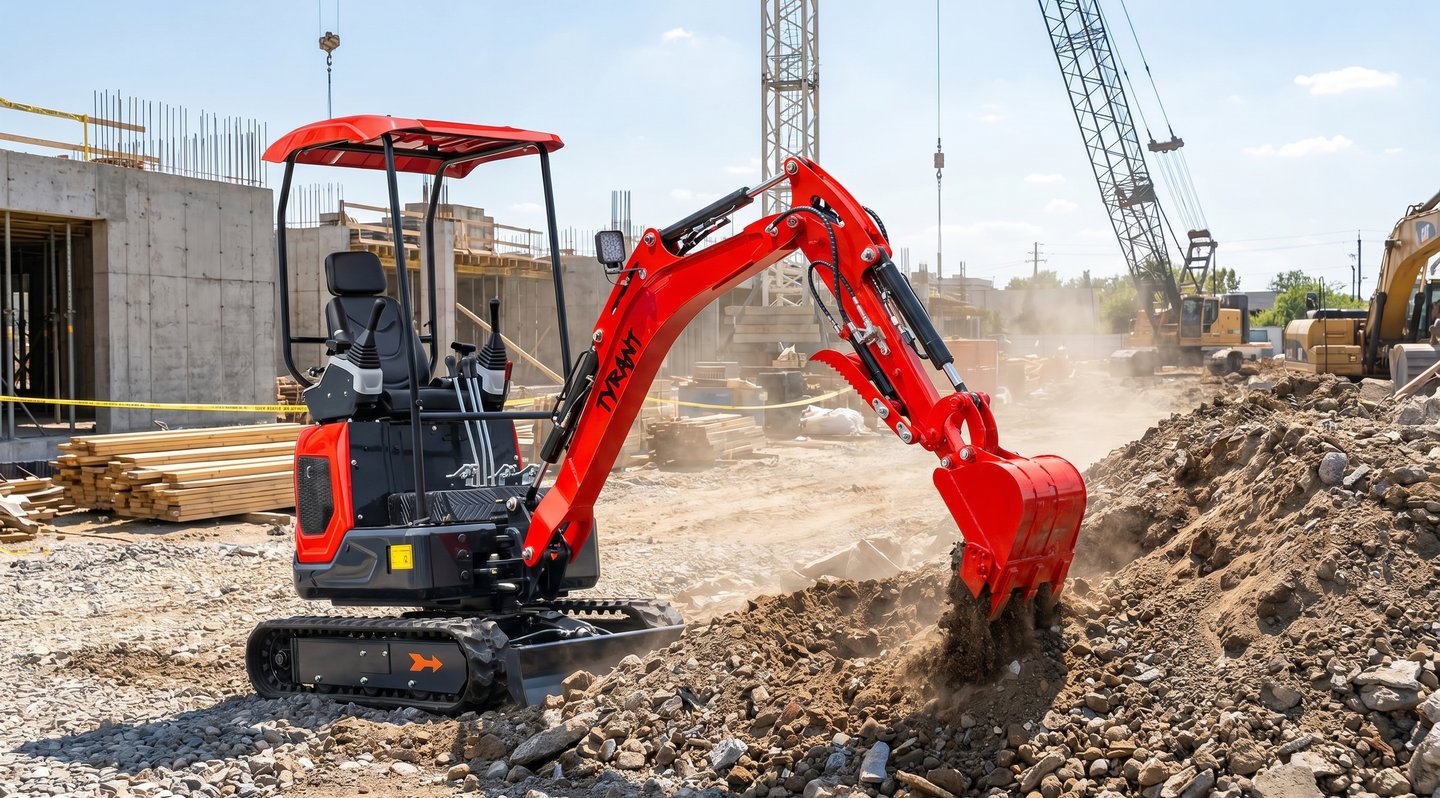
Heavy machinery operates in some of the most unforgiving conditions on earth. Plumes of dirt, abrasive sand, and thick mud constantly assault your fleet from the moment the engine starts. While manufacturers build these machines to withstand heavy physical loads, ignoring the environmental impact on internal components guarantees premature failure. We know you demand absolute reliability from your equipment to keep your projects on schedule and profitable.
Securing that reliability means understanding exactly how environmental factors dictate your service intervals. You cannot treat a bulldozer working in a dry, sandy quarry the same way you treat one operating on a paved municipal lot. The environment actively attacks your machinery, and your maintenance program must adapt to survive that assault.
In this comprehensive guide, we will explore the direct relationship between harsh environments and mechanical wear. You will learn how the dust effect equipment maintenance requirements shape your daily operations. We will also provide actionable, proven strategies to mitigate environmental damage, protect your internal components, and significantly extend the lifespan of your heavy fleet.
The True Cost of Harsh Operating Environments
When you deploy machinery into challenging environments, the wear and tear accelerates exponentially. Every component exposed to the open air becomes a target for environmental contamination. Recognizing how these elements infiltrate your systems is the first step toward building a bulletproof maintenance strategy.
How Airborne Particles Invade Systems
Construction sites naturally generate massive amounts of airborne particulate matter. When heavy tracks grind against dry earth, they kick up microscopic silica, dirt, and debris. This airborne dust does not simply settle on the exterior paint; it actively searches for a way inside the machine.
Cooling fans pull this contaminated air directly through the radiators and engine enclosures. The engine intake actively vacuums these particles toward the combustion chamber. If these microscopic invaders bypass your primary defenses, they mix with your engine oil and act like a highly abrasive liquid sandpaper. This internal friction quietly destroys your piston rings and cylinder walls.
The Hidden Damage of Abrasive Dirt
Beyond airborne particles, heavy dirt and grit cause severe mechanical damage to moving parts. Your undercarriage, pivot points, and exposed hydraulic cylinder rods face a constant barrage of abrasive material. When grit mixes with standard lubricating grease, it creates a grinding compound that wears down structural pins and bushings.
If you fail to clean these areas regularly, the abrasive paste carves deep grooves into the metal. The resulting loose joints cause the machine to operate with dangerous slop, reducing precision and operator safety. Replacing these worn components costs thousands of dollars and removes the machine from your active revenue stream.
Understanding the Dust Effect Equipment Maintenance Connection
You cannot rely solely on the factory-recommended maintenance manual when operating in severe conditions. Standard service intervals assume a relatively clean working environment. You must adjust your expectations and understand how the dust effect equipment maintenance schedules must evolve to protect your investment.
Engine Filtration and Air Intake Strain
Your engine's air filter is its primary lung, responsible for stopping dirt before it enters the intake manifold. In a highly dusty environment, a standard air filter can clog in a matter of days. As the filter fills with dirt, it aggressively restricts the airflow required for efficient combustion.
When an engine starves for air, it burns diesel inefficiently, resulting in massive power loss and increased exhaust temperatures. The machine works much harder to produce the same hydraulic flow, which severely stresses the cooling system. You must monitor air filter restriction indicators daily and replace filters long before they reach total failure.
Hydraulic System Contamination
Hydraulic systems require absolute cleanliness to function correctly. The tolerances inside a modern hydraulic pump are incredibly tight. Even a microscopic speck of dust can score a valve block or destroy a pump seal.
Dust often enters the hydraulic system through breather caps on the reservoir or when operators connect attachments in the dirt. Once dust contaminates the hydraulic fluid, it circulates rapidly throughout the entire machine. Protecting these highly sensitive systems requires a flawless protocol for checking fluids, changing filters, and wiping down all hydraulic couplers before making connections.
Environmental Factors Beyond Dust
While dust poses a primary threat, other environmental factors actively dictate your heavy equipment maintenance needs. You must prepare your fleet for the unique challenges presented by changing weather and challenging terrain.
Moisture and Corrosive Mud
Operating in wet, muddy conditions introduces entirely new maintenance variables. Wet mud packs tightly into the undercarriage, freezing solid overnight in colder climates. This frozen mud locks up idlers and rollers, forcing the engine to drag the machine rather than roll it.
Furthermore, prolonged exposure to moisture accelerates rust and electrical corrosion. Water sneaks into wiring harnesses and sensor connections, triggering phantom error codes and sudden shutdowns. Washing your equipment thoroughly at the end of a muddy shift is not a cosmetic luxury; it is a critical mechanical necessity.
Extreme Temperature Fluctuations
High heat and freezing cold drastically alter how your machinery operates. In sweltering summer temperatures, dusty radiators struggle to dissipate engine heat, leading to frequent overheating. The hydraulic fluid also thins out, reducing the system's lifting capacity and lubrication properties.
Conversely, freezing environments cause metal components to become brittle. Standard greases thicken, failing to lubricate pivot points properly. You must transition your fleet to seasonal fluids and greases to ensure your equipment operates safely and efficiently in extreme temperatures.
Strategies to Mitigate Environmental Damage
You cannot control the weather or the soil conditions on your job site, but you can control how your machines respond to them. Implementing proactive defense strategies is the only way to protect your heavy equipment from environmental destruction.
Upgraded Filtration Systems
Do not settle for standard filtration when working in severe dust. Upgrade your machinery with heavy-duty cyclonic pre-cleaners. These devices spin the incoming air rapidly, using centrifugal force to eject heavy dust particles before they ever reach the primary air filter.
Pre-cleaners can double or triple the lifespan of your primary filters, saving you significant money on replacement parts. Additionally, consider installing upgraded hydraulic breather filters that block microscopic dust and absorb ambient moisture before it enters the hydraulic tank.
Rigorous Daily Cleaning Protocols
Your operators must take ownership of the machine's daily condition. Implement a strict, mandatory cleaning protocol at the end of every shift. Operators should use compressed air to blow out radiators and cooling packages safely, ensuring maximum airflow for the next day.
They must also use a high-pressure wash to remove packed mud from the undercarriage. Clear all debris away from the engine compartment, as accumulated dry dirt and leaves pose a massive fire hazard when resting against a hot exhaust manifold. A clean machine is much easier to inspect for fresh oil leaks or cracked structural welds.
Adjusted Maintenance Intervals
Throw the standard maintenance schedule out the window when working in harsh environments. You must cut your service intervals in half when operating in severe dust or deep mud. Change your engine oil, fuel filters, and hydraulic fluids much more aggressively.
Implement a rigorous greasing schedule. Purge the old, contaminated grease out of every pivot point by pumping in fresh grease until you see clean product pushing through the seals. By shortening your service intervals, you flush out environmental contaminants before they have the opportunity to cause catastrophic mechanical damage.
Conclusion
The environment surrounding your job site acts as a silent, continuous threat to your heavy machinery. When you understand how the dust effect equipment maintenance requirements shape your operations, you can take total control of your fleet's reliability. Ignoring the massive impact of dirt, mud, and extreme temperatures guarantees costly breakdowns and unacceptable project delays.
Protect your investments by upgrading your filtration systems, demanding rigorous daily cleaning from your operators, and aggressively shortening your service intervals. By adapting your maintenance strategy to match the severity of your environment, you ensure your equipment delivers powerful, profitable performance year after year. Evaluate your current maintenance protocols today, and implement these proven strategies to safeguard your fleet against the elements.


Leading provider of heavy equipment solutions in the US such as mini excavator diggers and skid steers. When looking for a reliable mini excavator supplier, look for New Excavator. Quality compact mini excavators backed by a strong after sales service and a widespread inventory of spares.
Contact us for equipment inquiries
© 2026. All rights reserved USA EXCAVATORS
Follow us now