Free Shipping Sitewide | 1 Year Warranty

How Hydraulic Cylinders Generate Power in Heavy Machinery
Discover how hydraulic cylinders in heavy machinery convert pressure into force. Learn how to maintain them to maximize your overall machine performance.
3/18/20266 min read
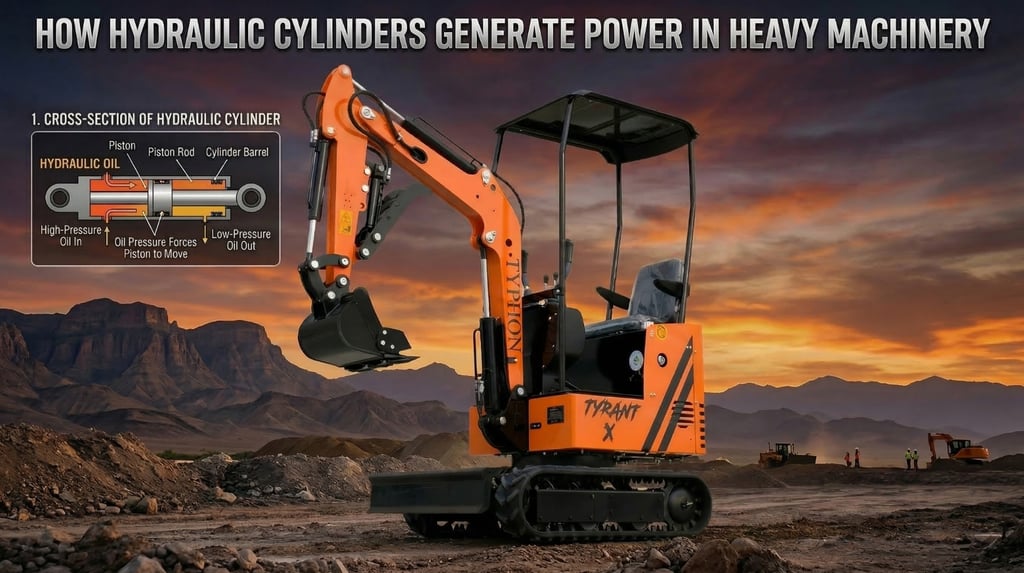
When you watch a massive excavator tear through solid earth or a loader lift tons of rock, you witness incredible mechanical force in action. This raw power does not come directly from the diesel engine. Instead, the engine drives a complex fluid system that relies on a critical component to perform the actual heavy lifting: the hydraulic cylinder.
Understanding how hydraulic cylinders in heavy machinery function is essential for any equipment owner or operator. These steel tubes are the very muscles of your fleet. They take pressurized fluid and transform it into the precise, devastating force needed to conquer demanding job sites.
This guide explains the fascinating process of hydraulic power generation. You will learn the internal mechanics of these cylinders and how they directly dictate your daily operational efficiency. We will also cover the vital maintenance practices required to protect your investment and ensure peak machine performance year after year.
The Foundation of Hydraulic Power Generation
The principle behind hydraulic power generation relies on a simple law of physics. Liquids cannot be compressed. When you apply pressure to a fluid confined in a closed space, that pressure transfers equally in all directions. Heavy machinery uses specialized hydraulic oil to harness this physical reality.
The process begins with the machine's engine, which powers a heavy-duty hydraulic pump. This pump draws hydraulic fluid from a reservoir and pushes it through a network of reinforced hoses. The pump forces an enormous volume of oil into a highly confined space, creating immense internal pressure.
This highly pressurized fluid needs a place to go and a way to release its stored energy. The directional control valves act as the brain of the system, routing this high-pressure oil precisely where the operator commands. When the operator moves a joystick, the valves direct the fluid straight into the hydraulic cylinders.
Converting Pressure into Mechanical Force
A hydraulic cylinder is a carefully engineered mechanism designed to convert fluid pressure back into mechanical movement. The outer shell, known as the barrel, houses a solid steel rod connected to a thick, circular piston. This piston acts as a secure dividing wall, splitting the inside of the barrel into two separate chambers.
When high-pressure fluid enters the bottom chamber of the cylinder, it pushes violently against the flat surface of the piston. Because the fluid cannot compress and the steel barrel will not expand, the piston must move. This force pushes the piston and its attached rod outward, creating a powerful linear extension.
To retract the cylinder, the directional valve reverses the fluid flow. High-pressure oil pumps into the top chamber, pushing against the front side of the piston. At the same time, the valve opens a return line, allowing the fluid in the bottom chamber to flow back to the reservoir. This coordinated fluid movement pulls the steel rod back inside the barrel with incredible pulling force.
Driving Machine Performance on the Job Site
The strength and speed of your hydraulic cylinders directly determine your overall machine performance. When your cylinders operate efficiently, your equipment responds instantly to operator inputs. This precise control allows your crew to perform delicate grading tasks or lift heavy, suspended loads with absolute confidence.
The amount of force a cylinder can generate depends entirely on the operating pressure of the pump and the physical size of the piston. A larger piston provides more surface area for the pressurized fluid to push against. This mathematical relationship explains why the main boom cylinders on a large excavator are so massive compared to the smaller bucket cylinders.
When your cylinders are properly matched to the demands of the job, your operational cycle times drop significantly. You move more dirt, lift heavier pallets, and complete tasks faster. A robust hydraulic system translates directly into a more profitable, efficient job site.
Engineering Hydraulic Cylinders for Heavy Machinery
A lot of companies understand that our customers rely on unwavering power to get the job done right. We know that sluggish, weak hydraulics lead to frustrating delays and lost revenue. That is why we engineer our heavy equipment with premium hydraulic components designed for maximum durability and force.
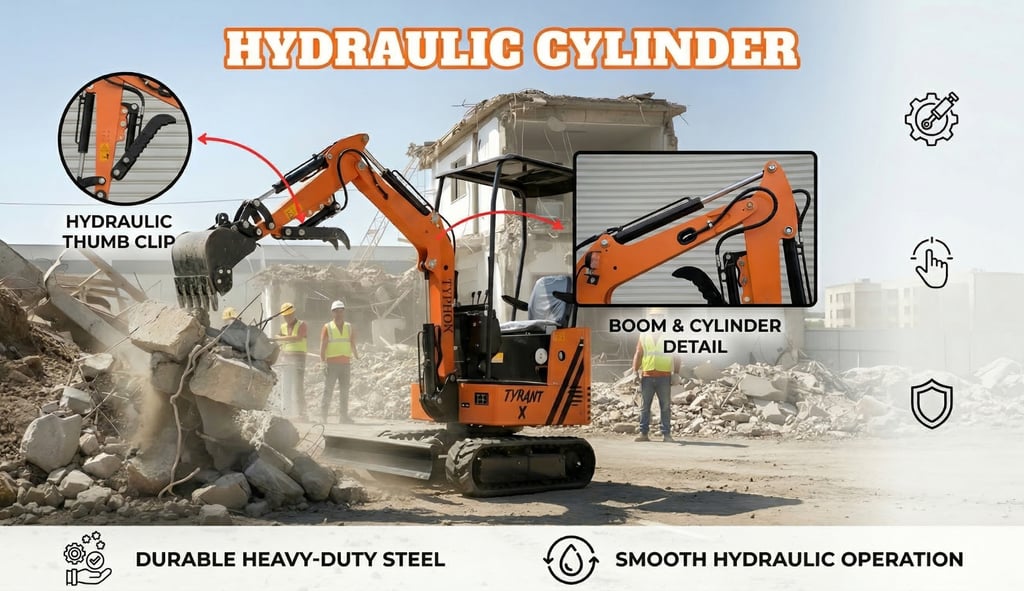
We equip our excavators and compact loaders with heavy-duty hydraulic cylinders built to withstand immense internal pressure and external physical abuse. Our cylinder barrels utilize thick, high-tensile steel to prevent swelling or deformation under extreme loads. We also chrome-plate our cylinder rods to resist corrosion and prevent abrasive job site dirt from scratching the metal surface.
This careful attention to manufacturing detail ensures that the operators experience smooth, predictable hydraulic power generation every single day. Our machines deliver the breakout force required to tackle stubborn, compacted materials without stalling. When you operate our equipment, you feel the direct result of superior hydraulic engineering.
The Critical Role of Proper Maintenance
Even the most robust hydraulic cylinders in heavy machinery require proactive maintenance to survive in harsh working environments. The internal seals that separate the two fluid chambers are made of specialized rubber and polyurethane. Over time, extreme heat and microscopic contaminants can degrade these crucial seals.
Maintaining perfectly clean hydraulic fluid is the single most important step in protecting your cylinders. Microscopic metal shavings or dirt particles act like liquid sandpaper inside the system. They score the polished inside of the barrel and tear the delicate piston seals, leading to internal fluid bypass.
You must adhere strictly to the manufacturer's recommended service intervals for hydraulic oil and filter changes. Fresh filters catch these dangerous contaminants before they can reach the cylinders. By keeping your fluid pristine, you ensure that your cylinders maintain their full lifting capacity and operational speed.
Recognizing Signs of Cylinder Wear
Equipment operators must remain vigilant and inspect their machines daily for signs of hydraulic wear. The most obvious indicator of a failing cylinder is a visible fluid leak around the rod seal. If hydraulic oil is dripping down the steel rod during operation, the main wiper seal has failed and requires immediate replacement.
Internal seal failures are completely invisible from the outside but drastically reduce machine performance. If a piston seal degrades, high-pressure fluid will slip past the piston instead of pushing it forward. You will notice the machine struggling to lift loads it used to handle easily, or the boom slowly drifting downward when the joysticks are in the neutral position.
Ignoring these warning signs leads to catastrophic mechanical failures and massive repair bills. Operating a machine with damaged cylinders forces the hydraulic pump to work twice as hard to maintain pressure, causing the entire system to overheat quickly. Catching and repairing these issues early protects your entire hydraulic circuit.
Protecting Your Operational Investment
Your heavy machinery represents a massive financial investment in your contracting business. Protecting that investment requires a thorough understanding of how the internal systems operate and what they need to survive. The hydraulic cylinders are the true workhorses of your fleet, bearing the physical brunt of every heavy load you move.
Establish a strict daily inspection routine for your entire crew. Check the cylinder rods for deep scratches, ensure the pivot pins are properly greased, and look for any weeping hydraulic fluid. A proactive approach to equipment care guarantees that your machines will start up and perform reliably when you need them most.
Partnering with a trusted equipment provider also ensures you have access to high-quality replacement parts and expert service. Reliable equipment support keeps your downtime to an absolute minimum. It empowers your business to take on challenging contracts with the peace of mind that your machinery is up to the task.
Final Thoughts on Hydraulic Power
The process of hydraulic power generation is a marvel of modern engineering that makes large-scale construction possible. By manipulating pressurized fluid, hydraulic cylinders in heavy machinery produce the massive force required to reshape the earth. Recognizing the vital role these components play helps you operate your equipment more safely and effectively.
Commit to a rigorous maintenance schedule to preserve your machine performance and extend the lifespan of your hydraulic components. Keep your fluid clean, inspect your seals regularly, and never push a damaged cylinder past its breaking point. Careful maintenance ensures your equipment continues to deliver the precise, powerful movements your projects demand.
If you want to enhance your material handling capabilities, prioritize equipment with well-designed, high-performance hydraulic systems. Properly engineered hydraulic cylinders and consistent maintenance are essential for reliable, heavy-duty force and optimal productivity on any job site. By understanding the fundamentals of hydraulic power and implementing regular care, you can ensure your machinery delivers the power and precision required for demanding operations.
Conclusion
The process of converting pressurized fluid into raw mechanical force is what makes heavy machinery so exceptionally capable. Hydraulic cylinders serve as the essential muscles of your equipment, translating fluid pressure into the immense lifting, pushing, and digging power you rely on every day.
To keep these vital components functioning at peak efficiency, proactive maintenance is an absolute necessity. Using clean hydraulic fluid, conducting regular seal inspections, and addressing minor leaks immediately will dramatically extend the lifespan of your cylinders. Neglecting these basic service items often leads to slow operation, severe internal damage, and costly unexpected downtime.
By prioritizing the care and understanding of your hydraulic systems, you actively protect your substantial equipment investment. Commit to a rigorous, consistent maintenance schedule for your entire fleet. Proper attention to your hydraulic cylinders ensures your machinery will continue to operate safely, predictably, and profitably on every job site.
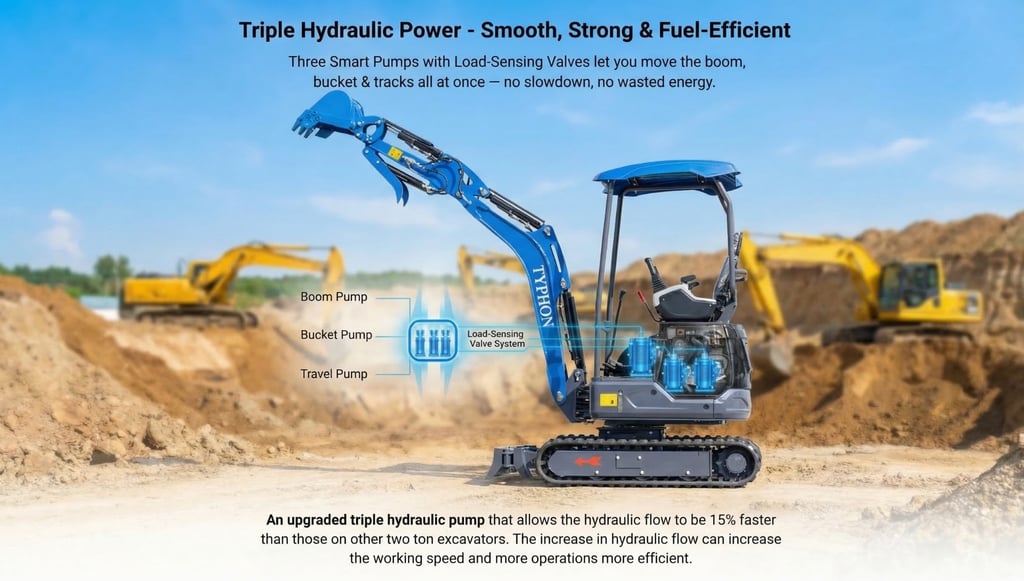
Leading provider of heavy equipment solutions in the US such as mini excavator diggers and skid steers. When looking for a reliable mini excavator supplier, look for New Excavator. Quality compact mini excavators backed by a strong after sales service and a widespread inventory of spares.
Contact us for equipment inquiries
© 2026. All rights reserved USA EXCAVATORS
Follow us now