Free Shipping Sitewide | 1 Year Warranty

How Pilot Control Systems Work in Excavators
Discover how pilot control systems use low-pressure hydraulics to deliver unmatched precision movement, reduce fatigue, and maximize operator comfort.
3/28/20265 min read
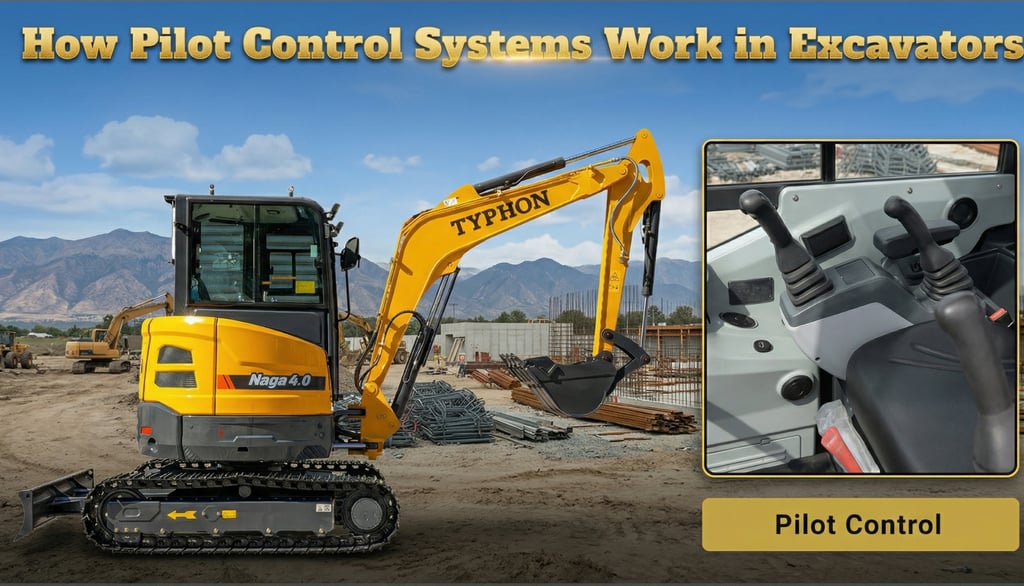
Heavy machinery requires more than just raw engine power to deliver profitable results on a job site. It requires absolute control. When an operator swings a bucket full of dense material near an existing foundation, they need total confidence in the machine's response. This level of confidence comes directly from the advanced technology connecting the cab's joysticks to the main hydraulic valves.
Over the years, the construction industry shifted away from stiff mechanical linkages and adopted highly advanced pilot control systems. This evolution fundamentally changed how professionals operate heavy equipment. Instead of fighting against the physical resistance of high-pressure fluid, operators now guide massive earthmovers with the lightest touch.
This guide explains the specific mechanics driving this technology. We will explore how a low-pressure control system translates slight hand movements into a massive digging force. You will also learn how excavator precision controls directly improve operator comfort in heavy machinery, drastically reduce daily physical fatigue, and significantly boost your overall job site efficiency.
The Mechanics of Pilot Control Systems
To see why this technology works so well, it helps to look at how older excavators operated. Early machines depended on direct mechanical linkages—steel rods and heavy cables connected the operator’s controls straight to the main hydraulic valve. When the operator moved a lever, it physically shifted a metal spool inside the valve, routing high-pressure fluid to the cylinders.
This setup demanded a lot of physical effort. Operators were essentially fighting against hydraulic pressure throughout the day. Over time, those mechanical parts also wore down—pins loosened, cables stretched—and the result was less precise, inconsistent bucket movement.
Pilot control systems remove those direct mechanical connections. Instead of relying on rods and cables, they use a separate, low-pressure hydraulic circuit to control the main system. This secondary circuit acts as a “pilot,” sending precise signals that direct the primary hydraulic flow exactly where it’s needed, with far less effort and much greater accuracy.
Understanding the Low-Pressure Control System
A pilot-controlled excavator actually features two distinct hydraulic systems working in tandem. The primary system handles the heavy labor. It utilizes a massive main pump to push high-pressure fluid to the boom, stick, and bucket cylinders. This primary system generates the massive breakout force needed to dig through solid earth.
The secondary system is the low-pressure control system. The machine features a smaller, dedicated pilot pump that circulates hydraulic fluid at a much lower pressure directly to the joysticks in the cab. When you move the joystick, you are not moving the heavy main valve spool. Instead, you are opening a small pilot valve.
Opening this small valve sends a targeted stream of low-pressure fluid down to the main control valve. This low-pressure fluid then physically pushes the heavy main spool open. The machine uses its own hydraulic power to actuate the main valves, completely removing the physical burden from the operator's shoulders.
Achieving Unmatched Precision Movement
The transition to pilot technology revolutionized how operators interact with their environment. When you remove heavy mechanical friction from the control levers, you unlock an entirely new level of machine responsiveness. Excavator precision controls allow seasoned operators to perform incredibly delicate tasks with a machine that weighs tens of thousands of pounds.
Smooth and Predictable Actuation
Because the joysticks meter out low-pressure fluid, the response is exceptionally smooth and completely linear. If you move the joystick a fraction of an inch, the pilot system sends a proportional amount of fluid to the main valve. The boom moves at a slow, highly predictable crawl.
This capability, often called "feathering," is absolutely critical for complex job site tasks. When lowering a heavy concrete pipe into a deep trench, the operator must align the joints perfectly without crushing the workers below. Pilot controls allow the operator to feather the hydraulic flow, easing the pipe into place with pinpoint accuracy.
Mastering Complex Attachments
Modern excavators serve as versatile tool carriers, operating far more than just standard digging buckets. Contractors frequently equip their machines with hydraulic thumbs, rotating grapples, and heavy-duty concrete breakers. Operating these complex attachments safely requires exact timing and flawless coordination.
Pilot control systems excel at managing multiple hydraulic functions simultaneously. An operator can smoothly lift the boom, roll the bucket, and close a hydraulic thumb all at the exact same time. The low-pressure circuit ensures that the hydraulic flow remains balanced across all functions, preventing sudden, jerky movements that could cause the machine to drop a heavy load.
Prioritizing Operator Comfort in Heavy Machinery
A construction company relies entirely on the health, focus, and skill of its operators. When an operator experiences severe physical fatigue, their reaction times slow down, and their precision drops. This creates a dangerous environment and leads to costly project delays. Maximizing operator comfort in heavy machinery is a proven strategy for maintaining high productivity standards.
Drastically Reducing Physical Fatigue
Operating an older mechanical machine for eight hours felt like a grueling full-body workout. The constant pushing and pulling required to move stiff levers took a massive toll on the operator's shoulders, elbows, and wrists. Over a long career, this physical strain often led to chronic repetitive motion injuries.
Pilot controls require virtually zero physical exertion. The joysticks move effortlessly, requiring only the slightest pressure from the operator's fingertips. By eliminating the mechanical resistance, the low-pressure control system protects the operator's joints. A comfortable, pain-free operator remains highly focused and productive from the first hour of the shift to the very last.
Ergonomic Workspace Design
Because pilot joysticks only handle low-pressure fluid, engineers can design the cab interior with a strict focus on ergonomics. They no longer have to bolt heavy mechanical levers directly to the floorboards.
Instead, manufacturers integrate the pilot joysticks directly into the operator's seat armrests. When the operator adjusts the air-suspension seat, the controls move with them, ensuring perfect alignment with their natural posture. This ergonomic design allows the operator to rest their arms comfortably while commanding the machine entirely through minor wrist movements.
Enhancing Overall Job Site Efficiency
Investing in machinery equipped with advanced pilot systems delivers a direct, measurable impact on your company's bottom line. The combination of precision control and reduced fatigue creates a highly efficient operational workflow.
Accelerating Daily Cycle Times
In the earthmoving industry, profitability depends heavily on cycle times. A cycle consists of digging the material, swinging the machine, dumping the load, and returning to the trench. Faster cycle times mean more dirt moved per hour and higher overall revenue.
Excavator precision controls allow operators to transition between these movements seamlessly. Because the joysticks are so responsive, the operator does not have to pause and aggressively fight the levers to change direction. The machine flows smoothly from digging to dumping, shaving valuable seconds off every single cycle. Over a long work week, those saved seconds translate into massive productivity gains.
Improving Safety and Reliability
Precision movement inherently improves job site safety. When an operator has total confidence in how the machine will react, they can maneuver safely around obstacles, underground utilities, and ground crews. This predictability prevents expensive accidents and protects your company's professional reputation.
Furthermore, pilot systems are incredibly reliable. By replacing complex mechanical linkages with flexible hydraulic hoses, manufacturers eliminated dozens of wear points. You no longer have to worry about greasing mechanical pivot pins or replacing stretched control cables. The low-pressure hydraulic circuit requires very little maintenance, ensuring your machine stays out of the repair shop and on the active job site.
Conclusion
The development of pilot control systems fundamentally elevated the capabilities of modern excavators. By utilizing a low-pressure control system to actuate the main hydraulic valves, these machines deliver raw digging power without sacrificing delicate handling. They empower your crew to work smarter, safer, and with absolute confidence.
Prioritizing operator comfort in heavy machinery is not a luxury; it is a critical business strategy. Excavator precision controls protect your operators from fatigue, ensuring they perform at their absolute best throughout the entire project. This direct focus on human-centric engineering guarantees faster cycle times, superior grading results, and a much higher return on your equipment investment.
Take a moment to evaluate the control systems currently operating within your heavy equipment fleet. If your operators are still fighting stiff mechanical levers, it may be time to upgrade your machinery. Consult with a trusted equipment expert to explore how modern pilot systems can streamline your operations, protect your crew, and drive your contracting business toward greater profitability.
Leading provider of heavy equipment solutions in the US such as mini excavator diggers and skid steers. When looking for a reliable mini excavator supplier, look for New Excavator. Quality compact mini excavators backed by a strong after sales service and a widespread inventory of spares.
Contact us for equipment inquiries
© 2026. All rights reserved USA EXCAVATORS
Follow us now