Free Shipping Sitewide | 1 Year Warranty

How to Build a Preventive Maintenance Schedule
Learn how to build a preventive maintenance schedule for heavy equipment. Reduce downtime and control repair costs with this step-by-step system.
4/18/20266 min read
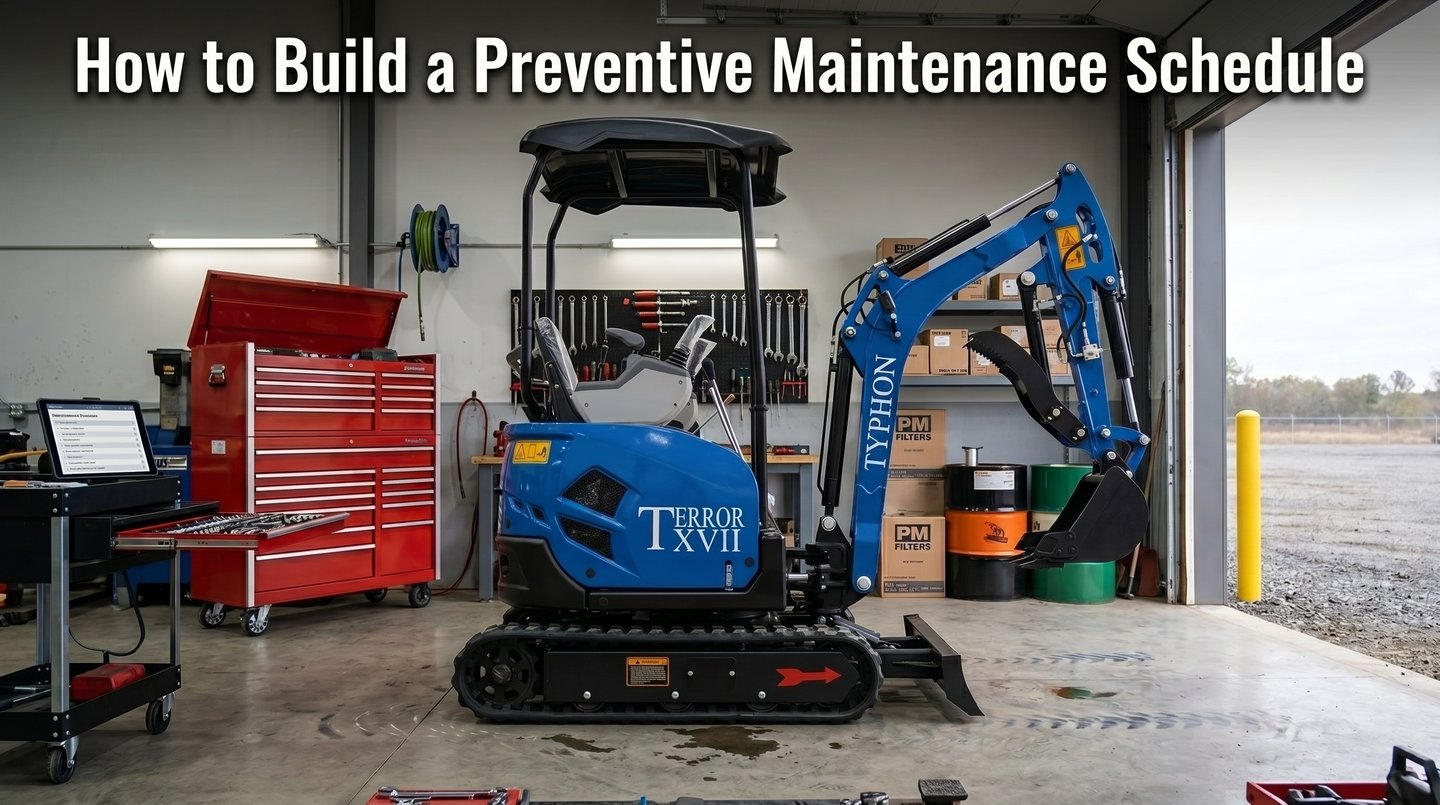
Equipment breakdowns drain your working capital and instantly halt job site production. When an excavator suffers a catastrophic hydraulic failure, your entire crew stands idle. You still pay wages, you miss critical project deadlines, and your professional reputation takes a massive hit. Relying on a reactive approach to machinery upkeep guarantees expensive repairs and unpredictable delays.
Transitioning from reactive repairs to a proactive system completely changes your financial trajectory. By implementing a strict preventive maintenance schedule, you take absolute control over your fleet's health. You replace cheap filters on your own terms rather than replacing expensive engines under emergency conditions. This organized approach maximizes equipment uptime and protects your hard-earned profit margins.
Creating this system requires discipline, accurate data, and a clear understanding of your daily operations. This comprehensive guide provides a step-by-step blueprint for building a highly effective preventive maintenance schedule. We will outline exactly how to inventory your fleet, define service intervals, and implement standard operating procedures that keep your machines running flawlessly.
The Financial Power of Proactive Planning
Understanding the true cost of neglected equipment highlights the absolute necessity of a preventive maintenance schedule. Reactive maintenance forces you to pay premium prices for emergency parts and mobile mechanic dispatches. It also drastically reduces the overall lifespan of your expensive capital assets.
A well-structured maintenance plan directly counters these financial threats. When you schedule routine services in advance, you order parts at standard prices and perform the work during planned downtime. Your mechanics work efficiently in a controlled shop environment rather than fighting the elements in a muddy trench.
Furthermore, consistent maintenance significantly boosts the resale value of your machinery. Buyers gladly pay premium prices for used equipment backed by comprehensive, detailed service logs. A strong maintenance system ultimately serves as a powerful revenue protection tool for your contracting business.
Step 1: Inventory Your Entire Heavy Equipment Fleet
You cannot maintain what you do not accurately track. Building a successful preventive maintenance schedule starts with a complete, detailed audit of every single machine you own. Do not rely on memory or outdated spreadsheets to manage assets worth hundreds of thousands of dollars.
Walk through your storage yard and document every excavator, loader, dozer, and specialized attachment. Record the exact make, model, year, and serial number for each piece of equipment. Most importantly, document the current engine hours reading on the telematics dashboard or physical meter.
Once you gather this baseline data, locate the manufacturer's operation and maintenance manual for every machine. If you lack the physical manuals, contact your local dealership to secure digital copies immediately. These manuals contain the critical engineering data you need to build the foundation of your new system.
Step 2: Determine Manufacturer Maintenance Intervals
Heavy equipment manufacturers spend millions of dollars engineering and testing their machinery. Their specific service recommendations represent the absolute minimum standard for keeping your equipment operational. You must map out these manufacturer intervals perfectly within your preventive maintenance schedule.
Review the manuals and categorize the required maintenance tasks by engine hours. Group the tasks into standard intervals, such as 250-hour, 500-hour, and 1,000-hour services. A 250-hour service typically involves dropping the engine oil, replacing fuel filters, and greasing critical pivot points. A 1,000-hour service requires much deeper work, including draining hydraulic fluids and replacing heavy-duty drive belts.
Plot these intervals against the average number of hours your machines run each month. If a wheel loader logs 100 hours a month, you know it requires a basic service every two and a half months. Forecasting these dates allows your parts department to order the necessary filters and fluids weeks in advance.
Step 3: Adjust for Specific Job Site Conditions
Manufacturer guidelines assume your machinery operates in relatively normal environmental conditions. Construction job sites rarely qualify as normal. You must adjust your preventive maintenance schedule to reflect the brutal realities of your daily working environments.
If your crew works exclusively in heavy silica dust or abrasive sand, your engine air filters will clog rapidly. Following the standard 500-hour replacement guideline will inevitably suffocate your engine and increase fuel consumption. You must accelerate your service intervals, perhaps blowing out the filters weekly and replacing them every 250 hours.
The same logic applies to severe temperature fluctuations and corrosive environments. Machines operating in sub-zero winter conditions require specialized hydraulic fluids and block heaters. Take a realistic look at the specific materials your crew handles and tighten your service intervals to protect the equipment from accelerated wear.
Step 4: Build Standardized Inspection Checklists
A preventive maintenance schedule only works if your team executes it consistently. Leaving daily inspections open to individual interpretation guarantees critical components will get ignored. You must standardize the process across your entire company.
Create specific, itemized checklists for every category of equipment in your fleet. A track loader requires a completely different daily inspection than an articulated dump truck. The checklist should force the operator to physically verify fluid levels, check track tension, and inspect high-pressure hydraulic hoses for weeping fluid.
Require your operators to complete these specific checklists before they ever turn the ignition key. This daily walkaround serves as the first line of defense against catastrophic failures. When an operator spots a frayed alternator belt during a morning inspection, your mechanic can replace it for twenty dollars before it snaps and destroys the engine.
Step 5: Define Clear Roles and Responsibilities
A successful maintenance program requires absolute accountability. If everyone assumes someone else greased the excavator, the machine ultimately runs dry and destroys its pivot pins. You must clearly define exactly who handles each aspect of the preventive maintenance schedule.
Operators must take full ownership of the daily inspections and routine greasing. They are the only personnel who see the machine every single day. Make daily upkeep a strict condition of their employment, and train them on exactly how to spot early warning signs of mechanical failure.
Your heavy equipment mechanics should handle the major interval services. Assign specific mechanics to monitor the upcoming 250-hour and 500-hour intervals. When a machine nears its service date, the mechanic must coordinate with the job site superintendent to pull the machine offline with minimal disruption to the project timeline.
Step 6: Implement a Digital Fleet Management System
Managing a growing fleet with whiteboards and paper files quickly becomes an impossible administrative nightmare. Paper checklists get lost in truck cabs, and critical service dates slip through the cracks. Upgrading to a digital tracking system completely eliminates human error from your scheduling process.
Modern fleet management software connects directly to your equipment's telematics systems. The software automatically pulls the exact engine hours from the machine every single day. When a bulldozer hits 240 hours, the system automatically alerts your maintenance department that the 250-hour service is due soon.
These digital systems also house all your historical service records in one secure, searchable location. When a machine requires a complex repair, your mechanic can instantly pull up its entire service history on a tablet. This specific data speeds up the diagnostic process and gets your machine back to work faster.
Step 7: Incorporate Professional Fluid Analysis
Changing fluids on a strict schedule is excellent, but analyzing those fluids provides unparalleled insight into your engine's health. Professional fluid analysis acts like a blood test for your heavy machinery. You should make this process a mandatory component of your overall preventive maintenance schedule.
During every major service interval, require your mechanics to pull small samples of the engine oil, hydraulic fluid, and coolant. Send these samples to an independent, certified testing laboratory. The lab will analyze the fluid for microscopic metal shavings, coolant leaks, and fuel dilution.
If the lab detects elevated levels of copper or chromium in the engine oil, you know a major bearing is failing internally. This advanced warning allows you to pull the machine out of service and replace the bearing before the entire engine block shatters. Fluid analysis prevents massive, budget-destroying failures by catching microscopic problems early.
Conclusion
Securing the long-term profitability of your contracting business requires highly reliable heavy equipment. You cannot consistently deliver projects on schedule if your machines constantly suffer from preventable breakdowns. By taking total control of your fleet's health, you empower your crew to perform at their absolute best.
Take the time to audit your entire fleet this week. Build a robust preventive maintenance schedule based on exact manufacturer specifications and your specific job site realities. Implement standardized digital checklists and hold your operators strictly accountable for daily inspections. When you invest the necessary time and resources into proactive maintenance, you build a powerful, dependable fleet capable of handling any commercial challenge.
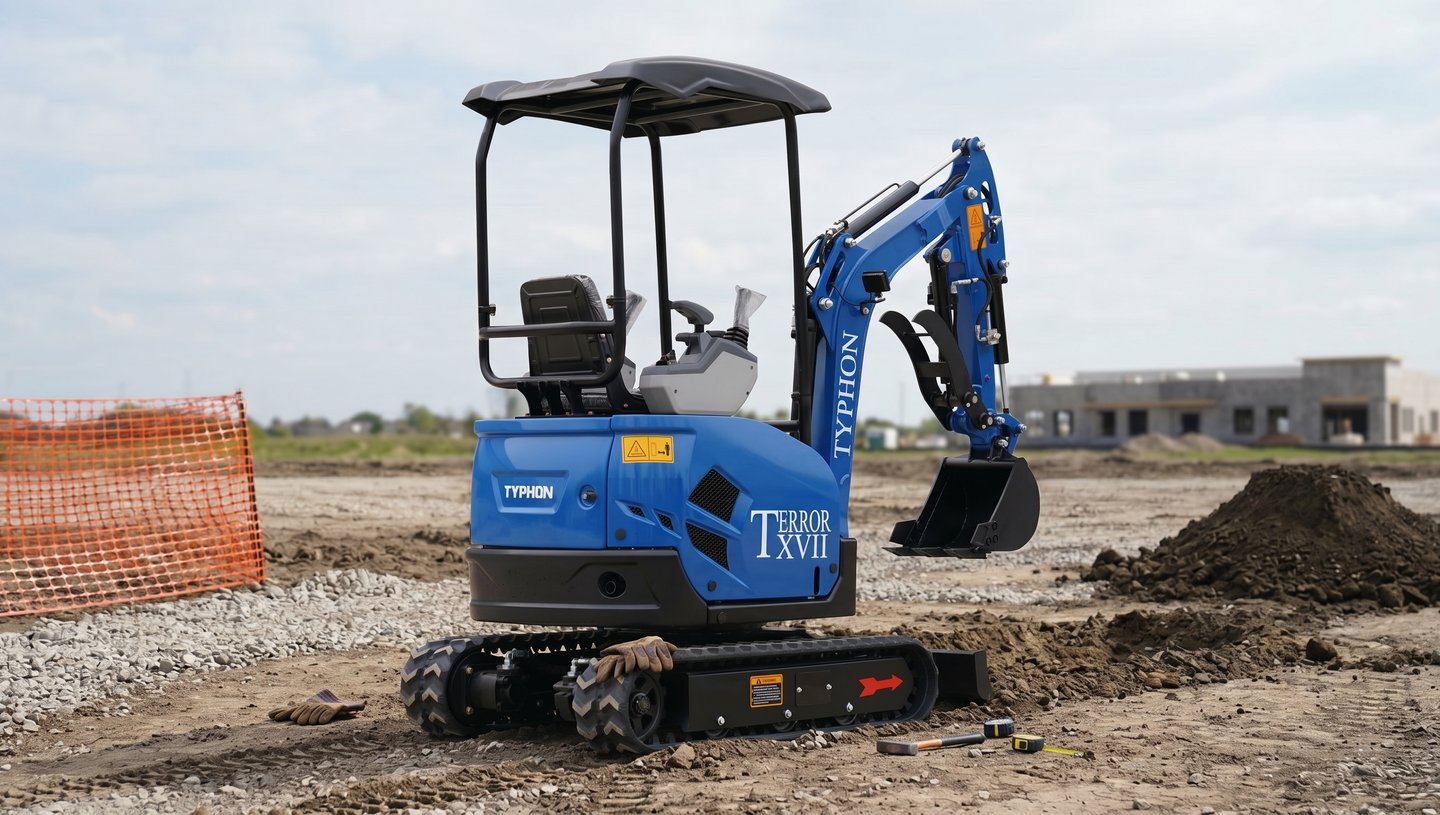
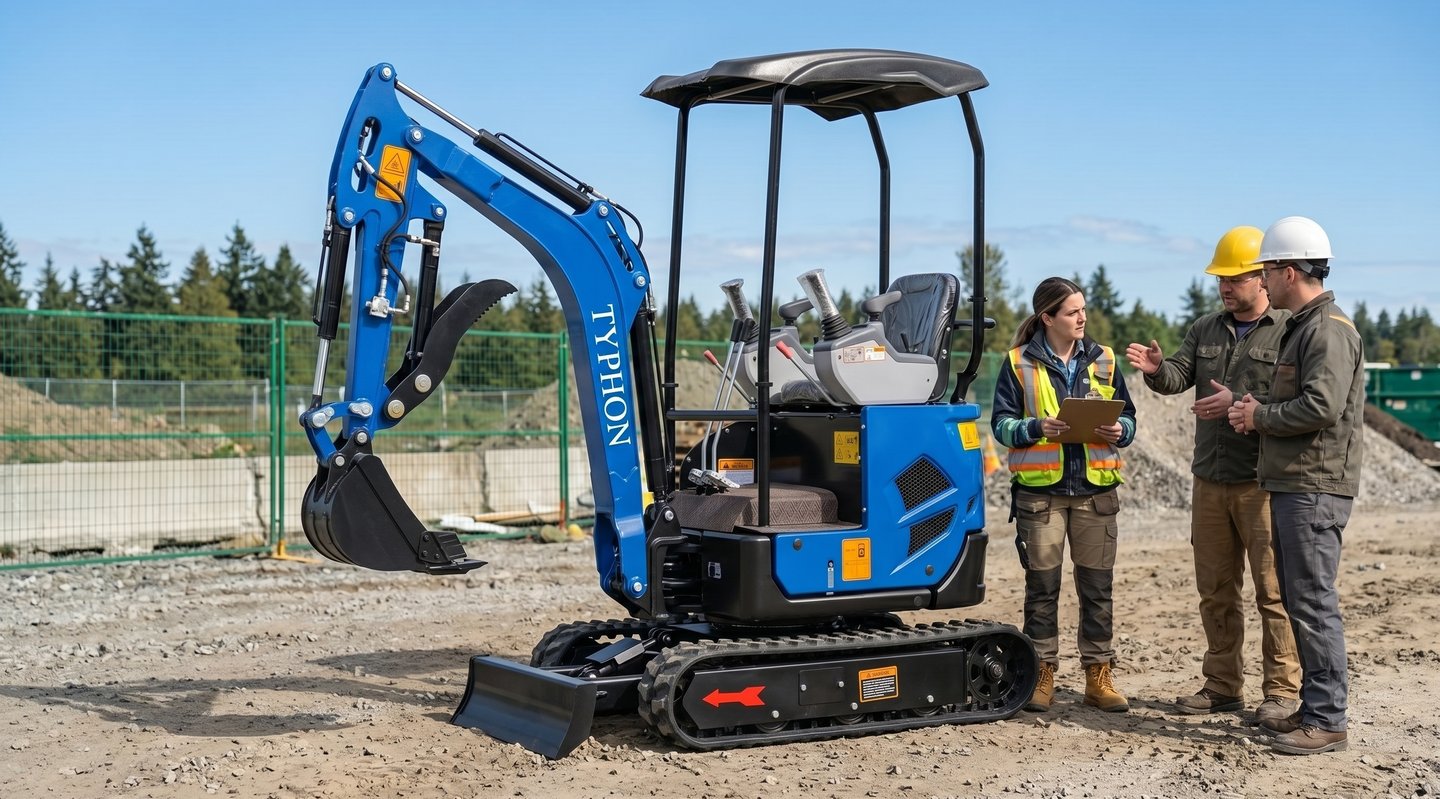
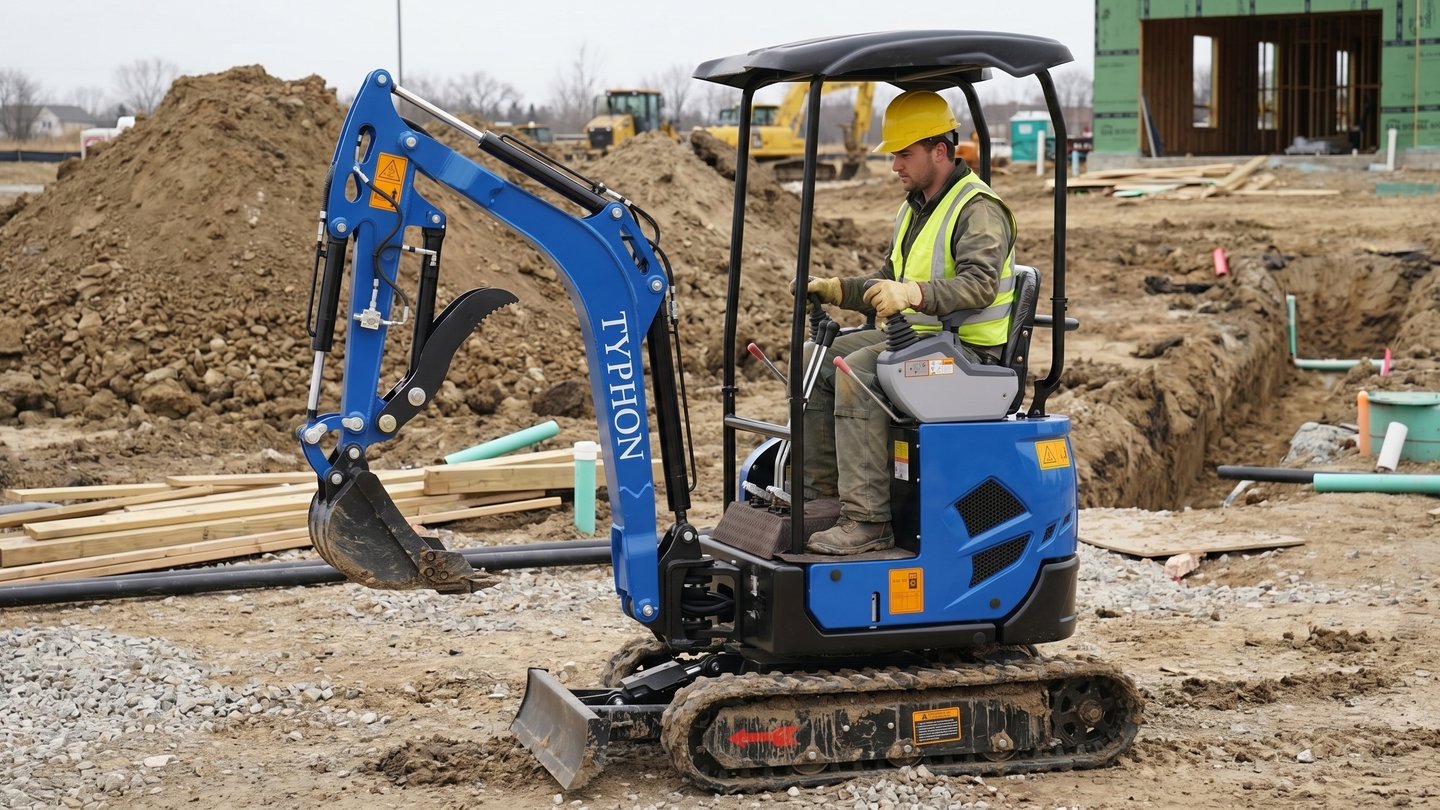
Leading provider of heavy equipment solutions in the US such as mini excavator diggers and skid steers. When looking for a reliable mini excavator supplier, look for New Excavator. Quality compact mini excavators backed by a strong after sales service and a widespread inventory of spares.
Contact us for equipment inquiries
© 2026. All rights reserved USA EXCAVATORS
Follow us now