Free Shipping Sitewide | 1 Year Warranty

How to Store Equipment Properly When Not in Use
Prevent rust and mechanical damage with these proven equipment storage tips. Learn how to store construction machinery properly to protect your fleet assets.
4/22/20266 min read
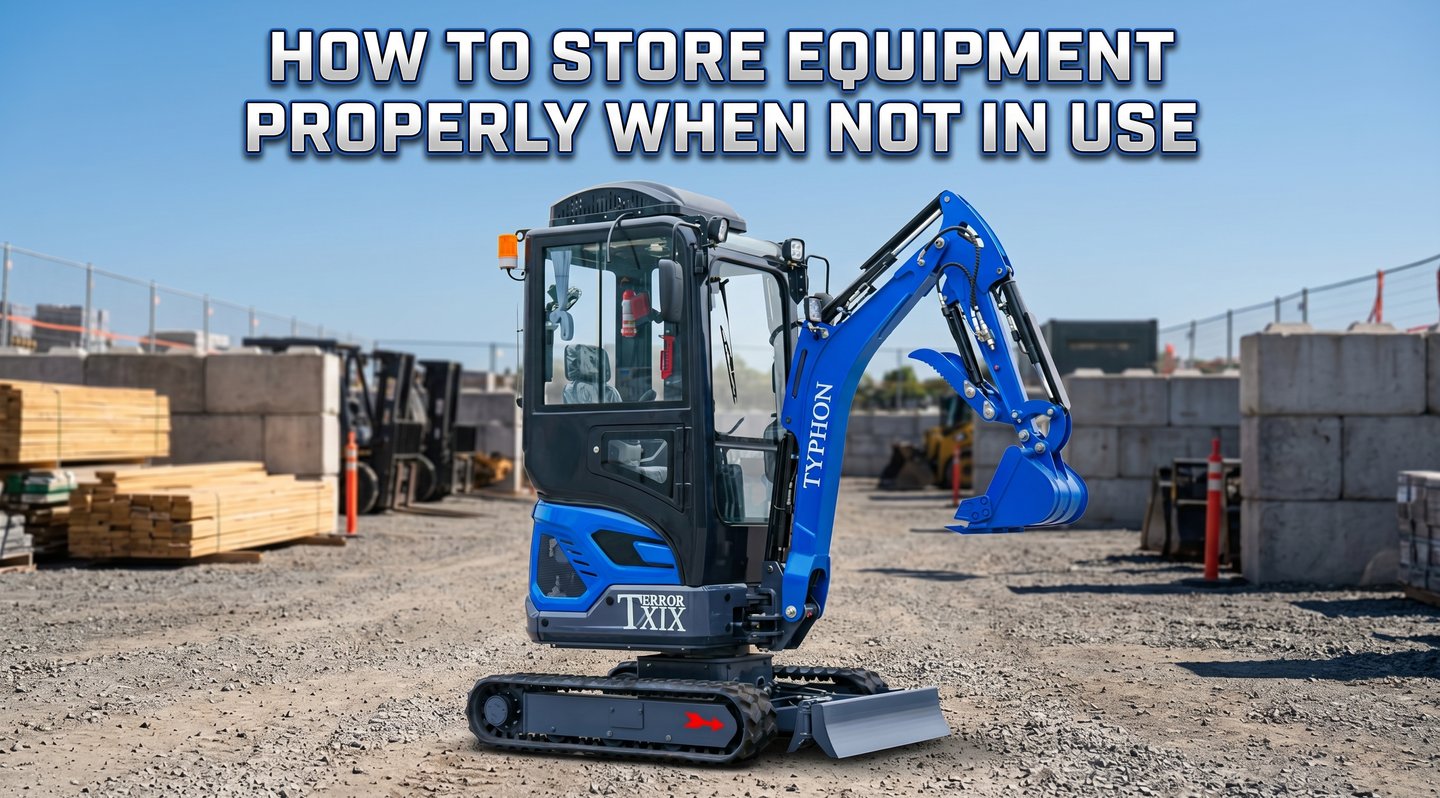
Leaving your heavy construction machinery idle for extended periods presents a hidden threat to your business. When you park a machine at the end of the season and simply walk away, you invite rust, corrosion, and severe mechanical degradation. You made a massive financial investment in your fleet, and protecting that investment requires a proactive approach to downtime.
Idle machinery should never equate to neglected machinery. To ensure your loaders, excavators, and compactors fire up perfectly on the first day of your next project, you must prepare them properly. We understand that fleet reliability drives your profitability, which is why we advocate for uncompromising maintenance standards.
This guide provides the definitive equipment storage tips you need to secure your machinery during the off-season. We will outline the critical steps for deep cleaning, fluid management, and climate control. By following these straightforward strategies, you will prevent unnecessary wear, avoid expensive emergency repairs, and extend the working lifespan of your entire fleet.
The Real Cost of Improper Storage
Many contractors underestimate the aggressive nature of environmental damage. When you leave a piece of heavy equipment exposed to the elements without preparation, nature immediately begins breaking it down. Moisture seeps into unsealed components, causing structural steel to rust and exposed cylinder rods to pit.
Internal damage happens just as quickly. Used engine oil contains acidic byproducts from the combustion process. If you leave this dirty oil sitting inside an idle engine block for months, those acids actively eat away at the internal bearings and seals. Similarly, half-empty fuel tanks invite condensation, which breeds algae and completely destroys your fuel injection system.
These preventable issues cost your company thousands of dollars in replacement parts and labor. More importantly, they cause devastating delays when you finally attempt to mobilize the machine for a new contract. Proper storage completely eliminates these risks, giving you total confidence in your fleet's readiness.
Deep Cleaning Your Machinery
You cannot store a dirty machine and expect it to survive the winter unscathed. Job site mud, clay, and gravel act like a massive sponge, trapping moisture directly against your equipment's steel frame. Your first step in the storage process must always be a meticulous, comprehensive cleaning.
Power Washing the Undercarriage
Start by aggressively power washing the entire machine, focusing heavily on the undercarriage and track assemblies. Remove every trace of packed dirt, dried cement, and chemical residue. Pay special attention to the areas around the hydraulic hoses and engine bay, where grease and dirt frequently combine into a corrosive sludge.
After you remove the heavy debris, wash the machine with a high-quality industrial degreaser. This removes the invisible chemical films that slowly degrade your paint and expose the bare metal underneath. A perfectly clean machine makes it much easier to spot pre-existing leaks or cracks before you put the equipment away.
Drying and Paint Touch-Ups
Do not immediately cover or store the machine while it is still dripping wet. Allow the equipment to dry completely in the open air. Driving a wet machine into a dark, unheated storage shed simply creates a humid environment that accelerates the rusting process.
Once the machine dries, walk around it and inspect the paint. Construction environments naturally cause chips and scratches. Use a matching industrial enamel to touch up any areas where the bare metal shows through. This simple layer of paint acts as a highly effective barrier against creeping rust.
Fluid Management and Lubrication
Your machine's internal fluids require immediate attention before long-term storage. You must stabilize the liquid systems to prevent freezing, corrosion, and chemical separation.
Managing Diesel Fuel and Engine Oil
Never store a diesel machine with a partially empty fuel tank. As temperatures fluctuate, condensation forms on the bare inside walls of an empty tank. This water drips into your diesel fuel, creating the perfect environment for destructive microbial growth. Fill the tank completely to the top and add a high-quality fuel stabilizer to prevent the diesel from gelling.
Next, perform a complete oil change. Drain the old, acidic engine oil and replace it with fresh oil and a new filter. Run the engine for ten minutes to circulate the clean oil thoroughly throughout the engine block. This coats the internal components with a fresh protective film that prevents internal rust.
Greasing Pivot Points and Cylinders
Your equipment relies on perfectly smooth metal surfaces to operate. You must protect these surfaces from the ambient moisture in the air. Grab your grease gun and generously lubricate every single zerk fitting, pivot pin, and bushing on the machine.
For your hydraulic cylinders, retract them as much as physically possible. If you must leave certain cylinder rods exposed, coat the shiny chrome surfaces with a heavy layer of protective grease. This prevents the chrome from pitting, which would otherwise tear your hydraulic seals the first time you move the machine.
Securing the Electrical Systems
Modern construction equipment features incredibly complex electrical systems. These systems remain highly vulnerable to cold weather and parasitic power drains. Failing to secure your batteries guarantees a dead machine when spring arrives.
Proper Battery Storage
If you leave a connected battery in a freezing machine, it will slowly drain its charge and eventually freeze solid. A frozen battery expands, cracks the internal plates, and becomes completely useless. You must remove the battery from the machine entirely.
Clean the battery terminals with a wire brush to remove any acidic buildup. Store the battery in a cool, dry, and climate-controlled environment, such as an insulated shop or office. Place it on a wooden pallet or shelf rather than directly on a concrete floor, and connect it to a high-quality trickle charger to maintain a steady, healthy voltage.
Inspecting and Protecting Wiring
Take the time to inspect your exposed wiring harnesses. Construction sites frequently loosen wire loom and expose the delicate copper underneath. Wrap any exposed wires tightly with professional-grade electrical tape to keep moisture out of the electrical connections.
You must also protect these wires from rodents. Mice and rats love to nest inside idle engine compartments and frequently chew through expensive wiring harnesses. Place commercial rodent repellents safely inside the engine bay and the operator cab to deter these destructive pests.
Choosing the Right Storage Environment
Where you park your equipment matters just as much as how you prepare it. You need to select a storage location that actively shields your machinery from the most severe weather conditions in your region.
Indoor Climate-Controlled Storage
The absolute best scenario for any heavy equipment involves an enclosed, climate-controlled facility. Storing your fleet inside an insulated warehouse protects the machinery from snow, freezing rain, and intense ultraviolet sunlight. The controlled humidity levels prevent condensation from forming on the metal surfaces.
If you have access to a secure indoor facility, park the machines with enough space between them to allow for easy walk-around inspections. Ensure the building has adequate ventilation to disperse any lingering exhaust fumes or fuel vapors.
Utilizing Protective Covers Outdoors
We understand that indoor storage is not always physically or financially possible for every machine. If you must store your equipment outdoors, you must be highly strategic. Never park your equipment in low-lying areas where water naturally pools after a heavy rain.
Invest in heavy-duty, breathable equipment covers. Do not use cheap plastic tarps. Plastic traps moisture underneath, creating a greenhouse effect that accelerates rust and ruins your paint. Breathable, custom-fit covers shed rain and snow while allowing trapped moisture to safely evaporate.
Protecting Tires and Undercarriages
The weight of a heavy machine sitting in one place for months causes severe damage to its contact points. You must take steps to relieve this massive pressure and protect your undercarriage components.
Preventing Flat Spots on Tires
If you leave a heavy wheel loader parked on the exact same patch of rubber for three months, the tires will develop permanent flat spots. The sidewalls will weaken, and the rubber may begin to dry rot.
To prevent this, use heavy-duty jack stands or wooden cribbing to lift the machine slightly off the ground. By suspending the axles, you completely remove the weight from the tires. If lifting the machine is impossible, make a strict schedule to move the machine a few feet every two weeks to rotate the resting position of the tires.
Securing Tracked Machines
For tracked equipment like excavators and bulldozers, you must keep the steel or rubber tracks out of the mud. If you park an excavator in soft dirt and the ground freezes, your tracks will lock solidly into the earth. Attempting to break the machine free can snap the track links or destroy the drive motors.
Park your tracked machines on solid, dry surfaces like concrete pads, thick wooden planks, or elevated beds of crushed gravel. Clean the tracks thoroughly to ensure no wet mud remains packed inside the links or around the lower rollers.
Conclusion
Securing your heavy equipment during the off-season demands strict attention to detail, but the financial returns are undeniable. A machine that receives proper care during its downtime rewards you with unwavering reliability when the busy season resumes. By executing these proven equipment storage tips, you protect your business from the massive costs of rust, frozen batteries, and degraded hydraulic systems.
Take command of your fleet's health today. Schedule a dedicated week for your crew to deep clean the machinery, change the vital fluids, and secure the electrical systems. Invest in breathable covers and find the driest, most secure locations available for your assets. When you commit to professional storage practices, you ensure your equipment remains a powerful, profitable tool for years to come.
Leading provider of heavy equipment solutions in the US such as mini excavator diggers and skid steers. When looking for a reliable mini excavator supplier, look for New Excavator. Quality compact mini excavators backed by a strong after sales service and a widespread inventory of spares.
Contact us for equipment inquiries
© 2026. All rights reserved USA EXCAVATORS
Follow us now