Free Shipping Sitewide | 1 Year Warranty

Mini Excavator Safety Tips Every Contractor Should Follow Before Digging
One careless dig can rupture a gas line, cut a fiber cable, or injure a worker in seconds.
MINI EXCAVATORS
7/12/20266 min read
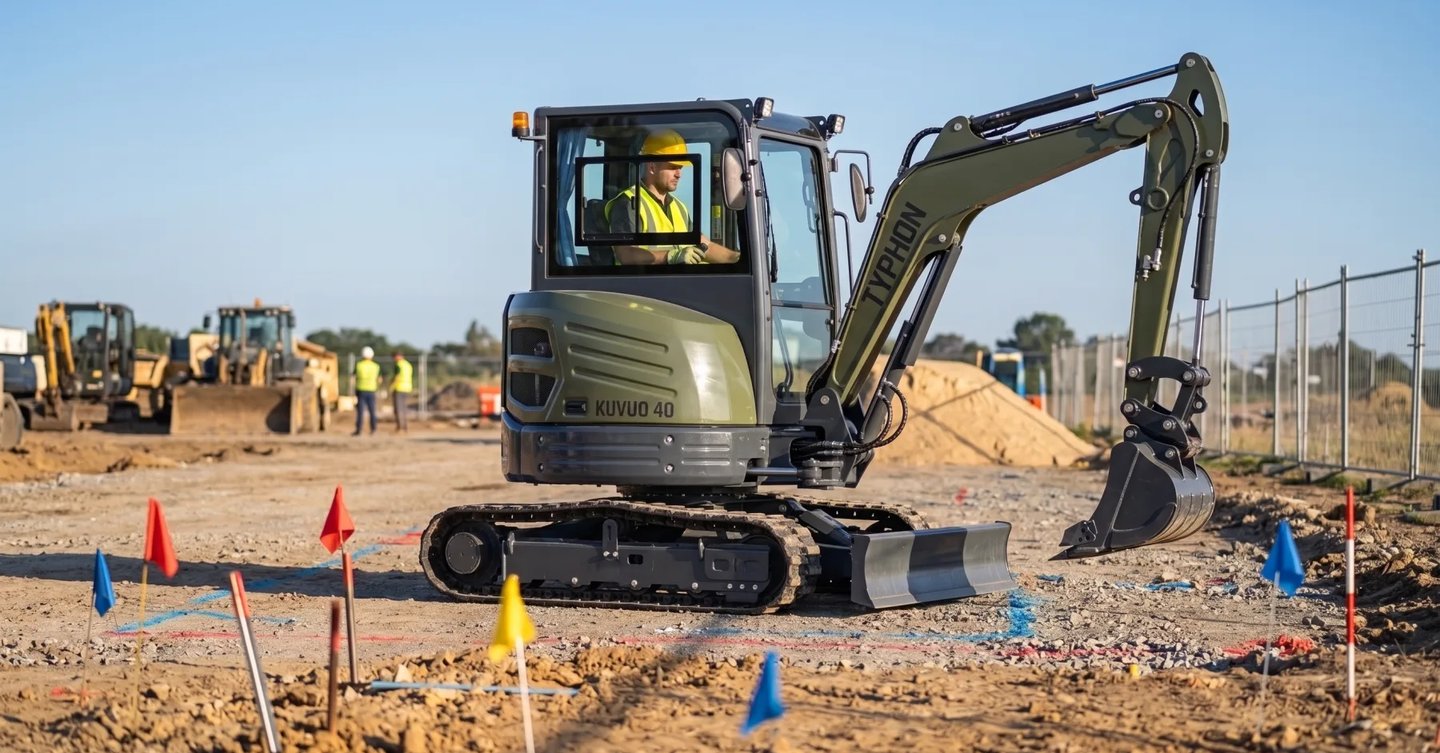
One careless dig can rupture a gas line, cut a fiber cable, or injure a worker in seconds. On a mini excavator, the machine's small size makes it feel forgiving, but the risks underground and on unstable ground are just as real as on any large jobsite. The difference between a clean, productive dig and a costly incident usually comes down to what you do before the bucket ever touches soil.
Before any excavation begins, take time to identify underground utilities, inspect the work area, and verify that the machine is in good operating condition. A quick walkaround can reveal hazards such as soft ground, overhead power lines, hidden obstacles, or damaged hydraulic components that could create serious safety issues once work starts. Spending a few extra minutes on these checks can prevent hours of downtime, expensive repairs, and potential injuries.
Safe digging also depends on proper operating techniques throughout the job. Maintaining stable machine positioning, digging within the excavator's rated capacity, and staying aware of people and equipment nearby all help reduce the risk of accidents. Whether you're trenching for utilities, landscaping a residential property, or preparing a commercial construction site, following proven safety practices protects both your crew and the equipment while keeping the project on schedule.
Assess the Site and Identify Hazards
Ground conditions can change significantly across a single jobsite, so never assume the entire area is safe based on a quick glance. Check for signs of recently disturbed soil, hidden voids, poor drainage, loose debris, or areas that may not support the excavator's weight. Positioning the machine on stable ground from the start reduces the chance of sinking, tipping, or losing control during operation.
The surrounding environment deserves just as much attention as the excavation area itself. Consider nearby buildings, fences, trees, traffic, and pedestrian access before deciding where to work. Planning the machine's travel path, swing radius, and material placement in advance helps eliminate unnecessary repositioning, improves productivity, and reduces the likelihood of accidents throughout the project.
Set Up a Safe Work Zone
Once you know the hazards, control them. Barricade or flag the excavation area, establish a clear swing radius no one enters while the machine operates, and keep spotters positioned where the operator can see them. A defined work zone keeps ground workers out of pinch points and blind spots, which is where most struck-by injuries happen.
Check for Underground and Overhead Utilities
Before digging begins, verify the location of all underground utilities, including water pipes, gas lines, electrical cables, sewer systems, and communication lines. Striking a buried utility can cause serious injuries, costly repairs, project delays, and service interruptions. Always follow local utility locating procedures and clearly mark identified services before excavation starts.
Don't overlook overhead hazards either. Power lines, tree branches, building overhangs, and temporary structures can all interfere with the excavator's boom during operation. Maintain safe clearance distances at all times and adjust the work plan if overhead obstacles create a risk. Taking a few extra minutes to identify utilities above and below ground helps prevent accidents that are often entirely avoidable.
Inspect the Equipment Before Every Shift
A pre-operation inspection takes a few minutes and prevents failures that could turn dangerous mid-dig. Make it a non-negotiable habit at the start of every shift, not just when something feels off.
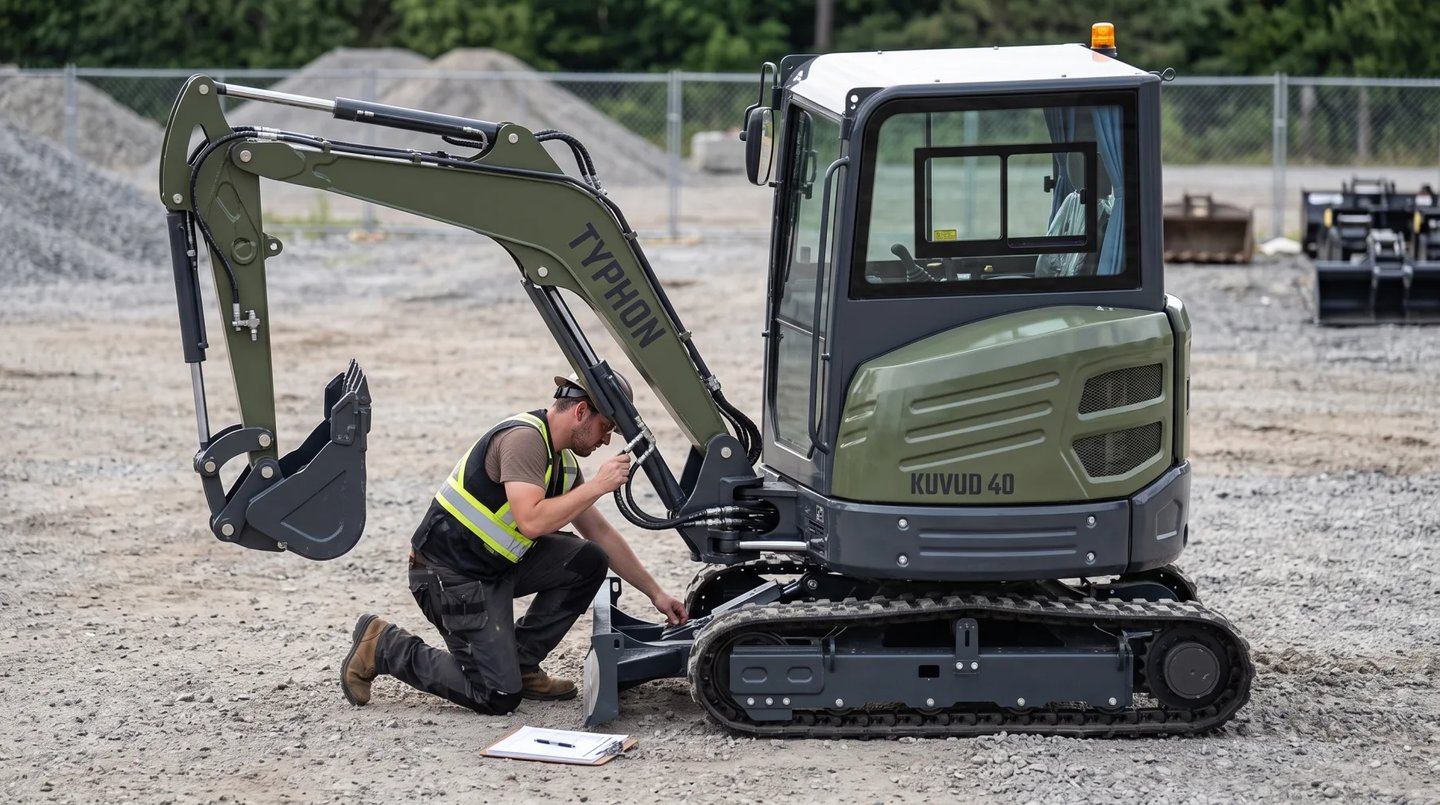
Walk around the machine and check for visible damage, loose components, and any fluid leaks under the frame. Test lights, alarms, controls, and safety systems before starting work. Even small issues like a worn hose or low tire pressure can quickly escalate once the machine is under load, so addressing them early keeps the operation safe and uninterrupted.
Your Pre-Operation Checklist
Walk the machine and confirm each of these before start-up:
Fluid levels: hydraulic oil, engine oil, coolant, and fuel.
Hydraulic system: check hoses, cylinders, and fittings for leaks or damage.
Tracks or tires: inspect for wear, tension, and debris.
Bucket and attachments: confirm secure pins, couplers, and connections.
Controls and gauges: test for smooth, correct response.
Safety features: seatbelt, alarms, lights, and the ROPS structure.
Cab and mirrors: clean glass and clear sightlines.
Log What You Find
Record your inspection and flag any defects. If you find a problem that affects safe operation, tag the machine out of service until it's repaired. A quick log also builds a maintenance history that helps you catch recurring issues before they become breakdowns.
Dig Within Safe Zones and Clearance Distances
Approach marked utility corridors with controlled, deliberate excavation rather than aggressive bucket movements. Reduce digging speed as you near the marked area, remove soil in shallow layers, and avoid forcing the bucket into the ground. This gives you more control and lowers the risk of striking buried infrastructure that may not be exactly where the markings indicate.
Always maintain the required clearance distances specified by local regulations or the utility owner. If excavation must continue within the tolerance zone, switch to approved methods for exposing the utility before using the mini excavator again. Taking a cautious approach around underground services helps prevent costly damage, project delays, and serious safety hazards.
Follow the Tolerance Zone
Most safe-digging rules establish a tolerance zone on each side of a marked utility, commonly around 18 to 24 inches, though you should follow your state's specific requirement. Within that zone, avoid mechanized digging. Instead, expose the line by hand digging or vacuum excavation until you can see and confirm it. Only then should you resume machine work at a safe distance.
Mind Overhead Clearance Too
Buried lines aren't the only concern. Keep the boom and bucket well clear of overhead power lines, maintaining the minimum approach distance required for the line's voltage. Contact with an energized line can be fatal, so if you're working near power, assign a dedicated spotter to watch clearance the entire time.
Set Up Safely on Uneven or Unstable Terrain
Choose the most stable position available before beginning any excavation. Whenever possible, keep the machine on firm, level ground and align it so the tracks provide maximum support during digging. If the terrain cannot be completely leveled, reposition the excavator as the work progresses instead of stretching beyond a stable operating position.
Avoid placing the machine near trench edges, embankments, or recently excavated ground where the soil may collapse under the excavator's weight. Wet, loose, or backfilled areas can lose their load-bearing capacity without warning, especially after heavy rain. Maintaining a stable working platform throughout the job improves machine control, reduces stress on the equipment, and helps operators work more confidently in challenging conditions.
Level and Stabilize First
Choose the most level, stable ground available for your setup. On slopes or soft surfaces, use the blade and any outriggers to stabilize the machine, and place mats or pads under the tracks when the ground is soft or wet. A stable base keeps the excavator steady as the boom extends and the load shifts.
Work With the Slope, Not Against It
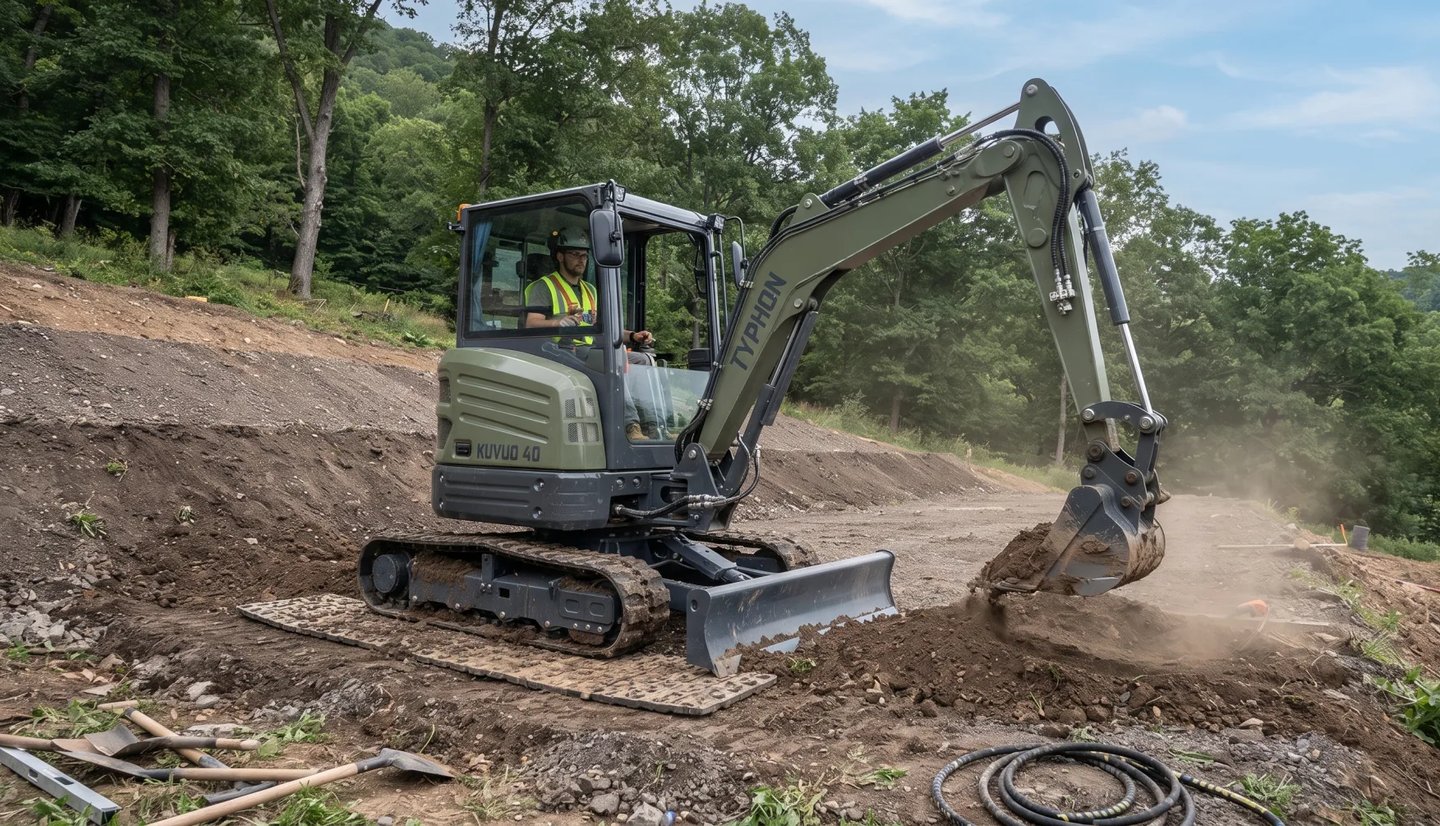
When operating on a slope, stability should always take priority over speed. Position the excavator with its heaviest end facing uphill to maintain better balance, and never attempt to dig on slopes that exceed the machine's rated operating limits. Keep the load low and close to the machine while traveling to reduce the risk of tipping, and make all boom and swing movements slowly to avoid sudden shifts in the center of gravity. Whenever possible, avoid traveling across a steep slope and choose a safer route instead, as this significantly reduces the likelihood of losing traction or machine stability.
Conclusion
Safe digging with a mini excavator starts long before the bucket moves. The contractors who treat these steps as routine, not optional, are the ones who avoid the strikes, injuries, and downtime that derail jobs. Build a pre-dig checklist your whole team follows, and make it part of every excavation.
Every excavation project benefits from a consistent safety routine, regardless of its size or complexity. Taking the time to verify site conditions, inspect equipment, and follow established digging procedures helps reduce unnecessary risks while improving overall jobsite efficiency. Small safety checks performed before and during excavation can prevent major setbacks later in the project.
Safe operation is also an ongoing commitment rather than a one-time task. Encourage operators to stay alert, communicate with the crew, and adapt to changing site conditions throughout the workday. By making safe digging practices part of every project, you protect your team, extend equipment life, and keep jobs moving forward with fewer interruptions.
Frequently Asked Questions
What is the tolerance zone when digging near utilities?
The tolerance zone is a buffer on each side of a marked utility, commonly 18 to 24 inches depending on your state. Within that zone, avoid mechanized digging and expose the line by hand or vacuum excavation before continuing with the machine.
What PPE should mini excavator operators wear?
At minimum, wear a hard hat, high-visibility clothing, safety glasses, steel-toe boots, and gloves. Add hearing protection near loud equipment and respiratory protection where dust is present. Everyone working near the machine should wear hi-vis clothing.
How do I keep a mini excavator from tipping on a slope?
Set up on the most level, stable ground possible and use the blade or outriggers to stabilize the machine. Keep loads low and close, swing slowly, position the heavy end uphill, and stay within the machine's rated slope limits. Always wear your seatbelt.
Leading provider of heavy equipment solutions in the US such as mini excavator diggers and skid steers. When looking for a reliable mini excavator supplier, look for New Excavator. Quality compact mini excavators backed by a strong after sales service and a widespread inventory of spares.
Contact us for equipment inquiries
© 2026. All rights reserved USA EXCAVATORS
Follow us now