Free Shipping Sitewide | 1 Year Warranty

Mini Excavator vs Skid Steer vs Wheel Loader
Read the best construction machine comparison. Discover whether a mini excavator, skid steer, or wheel loader provides the right power and cost for your project.
5/5/20267 min read
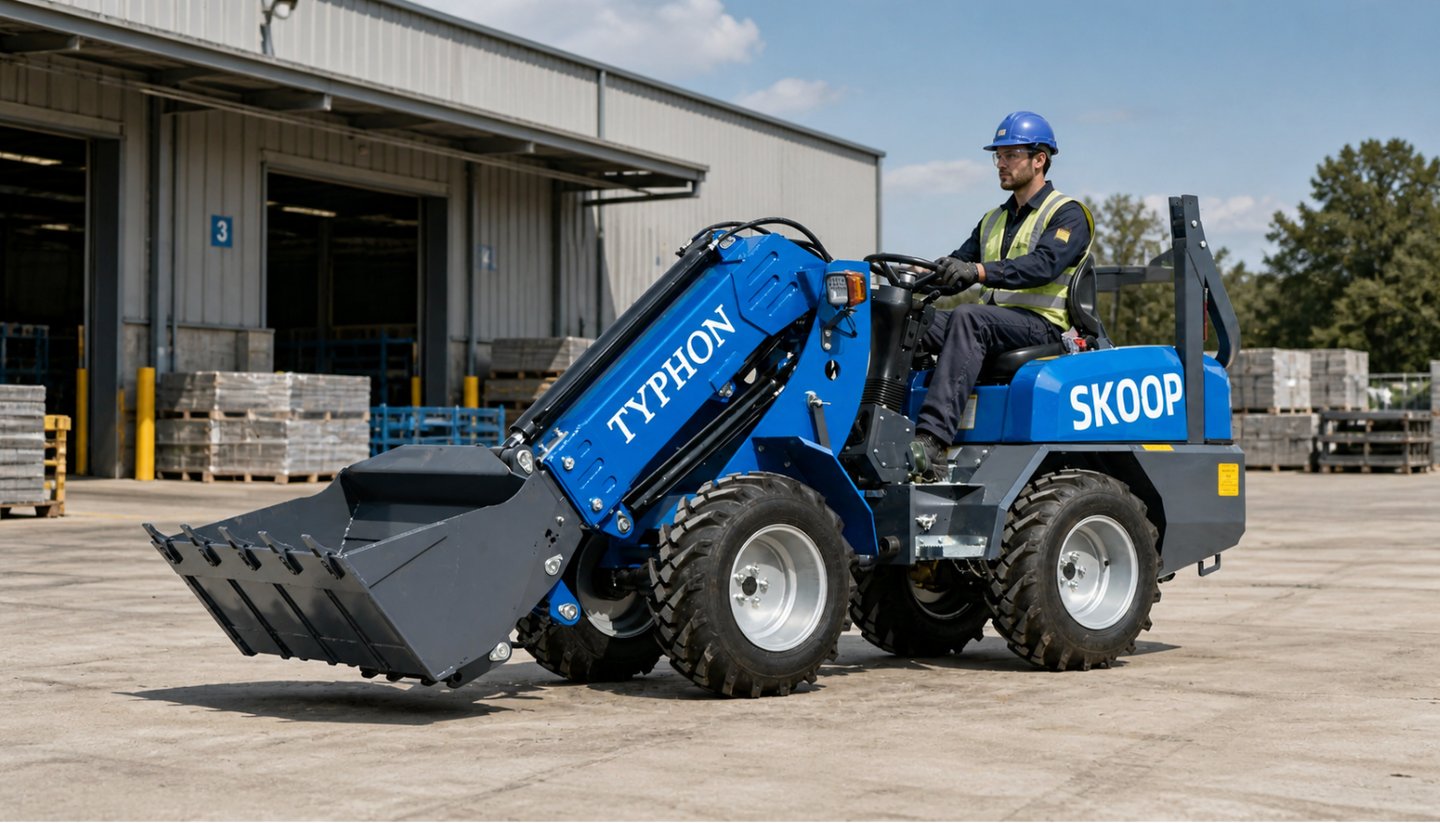
Selecting the correct heavy machinery dictates the success, safety, and profitability of your entire construction project. When you invest in heavy equipment, you need absolute confidence that the machine will deliver uncompromising performance every single day. Bringing the wrong equipment to a job site causes devastating logistical bottlenecks, inflates your daily fuel expenses, and severely damages your carefully calculated profit margins. You need reliable, powerful assets that align perfectly with the specific physical demands of your active contracts.
Understanding the unique capabilities of different earthmoving machines empowers you to make strategic, data-driven purchasing decisions. We know that your reputation relies on meeting tight deadlines and delivering exceptional results to your clients. That is why we are providing the ultimate guide to help you navigate the complex equipment landscape and secure the highest possible return on your investment.
This comprehensive guide breaks down the ultimate excavator vs skid steer vs loader debate to help you equip your fleet correctly. We will evaluate each machine based on its physical size, raw hydraulic power, operational costs, and ideal jobsite applications. By exploring the specific advantages and limitations of each platform, you will gain the expert insight needed to choose the absolute best machine for your growing business.
The Foundation of the Best Construction Machine Comparison
Every construction site presents a unique set of geographical challenges and material handling requirements. A sprawling commercial highway expansion demands completely different machinery than a delicate residential backyard renovation. To maximize your operational efficiency, you must match the physical capabilities of your equipment directly to the environment where your crew operates.
Comparing these three distinct machine classes requires looking beyond basic horsepower ratings. You must evaluate how each machine transfers that power to the ground, how it interacts with the surrounding terrain, and how its specific geometry impacts your daily workflow. Understanding these core mechanical differences serves as the foundation for building a highly resilient, deeply profitable contracting business.
The Agile Powerhouse: The Mini Excavator
The mini excavator has fundamentally transformed how modern contractors approach tight, restricted job sites. These compact machines utilize a tracked undercarriage and an articulating boom arm capable of full continuous rotation. This intelligent design allows the operator to dig, lift, and deposit heavy materials without ever moving the base of the machine.
Strengths in Size and Power
Despite their relatively small footprint, compact excavators generate staggering hydraulic breakout force. They excel at applying concentrated downward pressure to rip through highly compacted soils, heavy clay, and solid rock. Because they operate on continuous rubber tracks, they distribute their weight evenly across the ground, resulting in exceptionally low ground pressure that protects delicate surfaces.
This tracked design also provides superior stability and traction when operating on steep inclines or muddy, unstable terrain. The operator sits elevated in a highly visible cab, commanding precise control over the bucket and boom. This unmatched precision makes the mini excavator the undisputed champion of accurate, deep trenching operations.
Ideal Jobsite Applications
When your project requires digging below the surface level, the mini excavator is your primary tool. These machines dominate the utility sector, handling delicate underground pipe installations and fiber optic cable trenching with flawless accuracy. Their compact size allows them to navigate narrow residential gates, making them essential for backyard pool excavations and localized foundation repairs.
Beyond simple digging, these machines serve as exceptional demolition assets. By attaching a hydraulic breaker, your operator can precisely dismantle old concrete structures in highly congested urban environments. The ability to rotate the cab completely around allows the machine to load dump trucks positioned tightly alongside the excavation zone, maximizing efficiency in narrow alleys.
Weighing the Pros and Cons
The greatest advantage of the mini excavator is its specialized ability to dig deep, precise holes while operating in a confined space. It delivers exceptional fuel efficiency and is incredibly easy to transport between different job sites using a standard heavy-duty pickup truck. These lower operational costs provide a rapid, reliable return on your initial investment.
However, the mini excavator possesses a few notable limitations. It travels very slowly across the ground, making it an inefficient choice for transporting materials over long distances. Additionally, while it can push loose dirt with a small front blade, it cannot compete with a loader when it comes to aggressively moving massive volumes of aggregate across a large site.
The Universal Multi-Tasker: The Skid Steer Loader
The skid steer loader represents the ultimate engineering triumph of versatility and brute force. These incredibly compact, wheeled machines feature lift arms positioned alongside the operator's cab, allowing for heavy lifting in a very short frame. They earn their name by locking the wheels on one side and driving the other, allowing the machine to skid out and turn entirely within its own physical footprint.
Strengths in Size and Power
Agility is the defining characteristic of the skid steer loader. The aggressive steering mechanism allows your operator to maneuver effortlessly through crowded lumber yards, narrow barn aisles, and heavily congested commercial construction sites. They pack massive engine power into a tiny chassis, providing remarkable lifting capacities for their size.
The true power of this platform lies in its universal auxiliary hydraulic system. The machine functions primarily as a high-powered tool carrier, designed to run dozens of highly specialized attachments. This hydraulic versatility transforms a single engine into a massive fleet of capable construction tools.
Ideal Jobsite Applications
If a project requires rapid material transport, sweeping, and grading, the skid steer is the perfect solution. Landscapers rely heavily on these machines to spread topsoil, transport pallets of sod, and drill deep fence post holes using hydraulic augers. During the winter months, these loaders instantly transition into highly profitable snow removal machines for large commercial parking lots.
On a residential construction site, a skid steer can unload heavy pallets of brick from a delivery truck and transport them safely to the masons working behind the house. They excel at final site grading, using heavy-duty buckets to sculpt the earth and prepare the ground for final paving or seeding. Their ability to switch tasks in seconds keeps your entire workforce highly productive.
Weighing the Pros and Cons
The primary advantage of the skid steer is its unmatched versatility. Purchasing one machine and several attachments costs significantly less than buying multiple dedicated machines, preserving your vital working capital. They are fast, highly maneuverable, and relatively inexpensive to maintain due to their widespread popularity.
The main drawback of a wheeled skid steer is its aggressive impact on the ground. The skidding action tears up established grass and delicate asphalt, meaning they are best suited for hardscapes or raw dirt sites. Furthermore, they do not possess the deep digging capabilities of an excavator, nor can they match the massive load capacities of a heavy wheel loader.
The Heavy Material Mover: The Wheel Loader
When the scope of your project expands to massive commercial developments or heavy highway construction, you need equipment designed for maximum volume. The wheel loader is a massive, articulated machine built specifically to scoop, carry, and load staggering amounts of material. These titans of the job site prioritize heavy lifting and rapid cycle times above all else.
Strengths in Size and Power
Wheel loaders dwarf both mini excavators and skid steers in terms of physical dimensions and raw engine output. They utilize large, articulating joints in the center of the chassis, allowing the front bucket to swing independently of the rear cab. This articulation provides surprising maneuverability for such a massive piece of equipment.
These machines generate immense forward pushing power, allowing them to drive deep into massive stockpiles of dense, heavy gravel. Their towering lift arms easily clear the side rails of massive articulated dump trucks, ensuring flawless, clean loading cycles. Because they operate on enormous pneumatic tires, they can travel at high speeds across sprawling job sites without damaging finished concrete roads.
Ideal Jobsite Applications
Wheel loaders serve as the absolute backbone of the aggregate and mining industries. If you operate a rock quarry, an asphalt plant, or a massive commercial sand pit, this machine is your primary revenue generator. They keep the crushers fed and the highway trucks moving, dictating the pace of the entire operation.
On large-scale earthmoving projects, they work in tandem with bulldozers to move massive volumes of dirt over medium distances. They are essential for massive snow removal operations in heavy urban centers, easily clearing major intersections in a matter of minutes. When you need to move mountains of material quickly, the wheel loader stands entirely alone in its capability.
Weighing the Pros and Cons
The undeniable pro of the wheel loader is its massive production capacity. No other machine on this list can fill a dump truck as quickly or transport as much material in a single scoop. They offer incredibly comfortable, quiet cabs that reduce operator fatigue during long, demanding shifts, ensuring high productivity around the clock.
However, the immense size of a wheel loader makes it completely unsuitable for tight, confined residential work. They represent a massive financial investment, requiring a massive initial purchase price and significantly higher daily fuel and maintenance costs. Transporting them requires expensive heavy-haul permits and specialized commercial trailers, meaning they are best left on a single large job site for extended periods.
Making the Ultimate Choice for Your Fleet
Selecting the right machine ultimately comes down to analyzing your company's core services and daily operational constraints. If your business focuses heavily on installing underground utilities, repairing foundations, or working in tight residential backyards, the mini excavator is your most profitable choice. Its precision and low ground pressure will protect your profit margins and keep your clients satisfied.
If you operate a diverse contracting business that handles landscaping, light demolition, and general property maintenance, the skid steer loader offers the highest return on investment. Its ability to utilize countless attachments ensures the machine never sits idle in your storage yard. You effectively build a multi-capable business around a single, highly reliable power source.
Conversely, if your contracts involve massive commercial site preparation, highway paving, or heavy aggregate handling, you must invest in a wheel loader. The sheer volume of material you need to move requires the unmatched speed and lifting capacity of this massive machine. Making the right choice empowers your crew to operate safely, efficiently, and with total professional confidence.
Conclusion
Building a resilient, highly profitable construction company requires aligning your heavy equipment directly with your specific operational needs. Bringing the right machine to the job site eliminates costly delays, reduces the physical strain on your workforce, and guarantees a superior finished product for your clients. By understanding the distinct mechanical advantages outlined in this guide, you can confidently invest in the machinery that truly drives your business forward.
We encourage you to review your upcoming project pipeline and honestly assess the limitations of your current fleet. Whether you need the surgical digging precision of a mini excavator, the unmatched versatility of a skid steer, or the massive material handling volume of a wheel loader, choosing reliable equipment protects your bottom line. Equip your team with the highest quality machinery available, and secure the consistent, long-term success your hard work deserves.
Leading provider of heavy equipment solutions in the US such as mini excavator diggers and skid steers. When looking for a reliable mini excavator supplier, look for New Excavator. Quality compact mini excavators backed by a strong after sales service and a widespread inventory of spares.
Contact us for equipment inquiries
© 2026. All rights reserved USA EXCAVATORS
Follow us now