Free Shipping Sitewide | 1 Year Warranty

Performance Comparison: Power vs Versatility
Navigate the equipment power vs versatility tradeoff to maximize jobsite output. Discover how to choose the right machinery for your specific daily tasks.
5/12/20265 min read
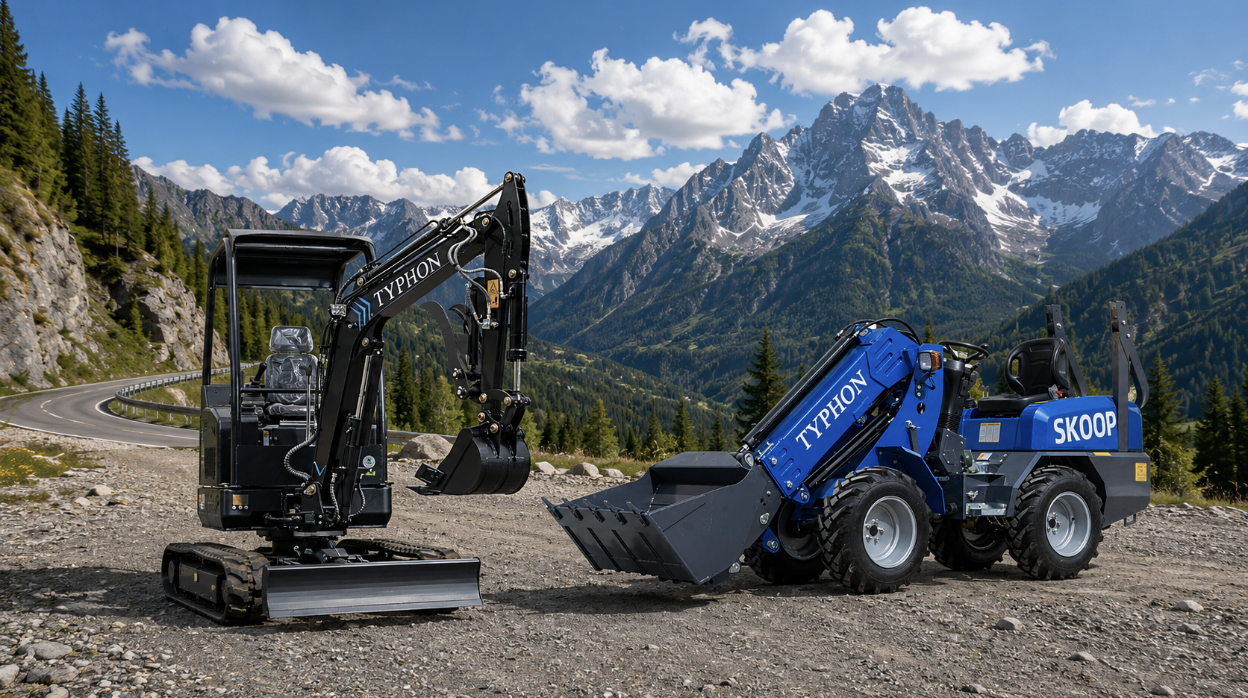
Every heavy construction project forces contractors to make critical decisions about their machinery fleet long before the first shovel breaks the earth. You need assets that deliver consistent results, protect your profit margins, and keep your crews operating at maximum efficiency regardless of the environmental conditions. Choosing the right machine often boils down to one fundamental debate that dictates how your entire jobsite functions. Navigating the equipment power vs versatility tradeoff remains the most important step in securing the highest possible return on your heavy machinery investment. We understand that your success depends on deploying reliable tools that meet your specific operational demands without causing unnecessary logistical delays. This comprehensive guide explores the deep performance differences between raw mechanical strength and adaptable, multi-tasking flexibility. You will learn how to evaluate your daily output requirements, spatial limitations, and attachment needs to make the most authoritative purchasing decision for your contracting business.
The Core Debate: Strength or Adaptability
When you expand your heavy equipment fleet, you inevitably face the difficult choice between a highly specialized powerhouse and a nimble universal tool carrier. Massive earthmovers are engineered to perform a single heavy task with absolute perfection, moving staggering volumes of material through sheer brute force. These dedicated machines dominate massive commercial sites where the daily workflow never changes and the focus remains entirely on repetitive, high-volume production. Conversely, versatile machines prioritize adaptability, sacrificing some of that raw breakout force to accommodate dozens of different hydraulic attachments. Understanding this essential division helps you align your capital investments perfectly with the actual physical demands of your upcoming contracts. The debate often centers on machines like the wheel loader, which delivers towering strength, versus the skid steer or mini excavator, which provide exceptional adaptability. Making an informed choice between these platforms guarantees that your machinery consistently generates revenue rather than sitting idle in a staging yard waiting for the right kind of work.
Evaluating Raw Machine Power and Daily Output
Raw machine power translates directly into the volume of material your crew can process during a single operational shift. Heavy wheel loaders represent the pinnacle of this specialized strength, utilizing massive hydraulic cylinders and high-horsepower engines to dominate the earth. When your contract requires cutting a deep commercial foundation through dense clay or loading thousands of tons of blasted rock into articulated haul trucks, brute force is your only profitable option. These heavy machines utilize their immense operating weight to penetrate stubborn materials effortlessly, drastically reducing the total number of loading cycles required to clear a site. By prioritizing raw output, you ensure your heavy civil projects remain strictly on schedule, easily outpacing competitors who rely on undersized equipment. However, this impressive power comes with a significant financial and logistical commitment. Specialized heavy loaders require dedicated heavy-haul transportation, consume massive amounts of diesel fuel, and often require highly specialized operators to function efficiently. We know that in the heavy earthmoving sector, nothing replaces the undeniable efficiency of dedicated, high-capacity machinery, but you must possess the continuous project volume to justify the immense capital expenditure.
The Financial Value of Jobsite Versatility
While raw power excels in heavy production environments, ultimate versatility serves as the supreme financial safeguard for growing contracting firms. Skid steer loaders and mini excavators epitomize this adaptable engineering philosophy. Instead of dedicating your valuable working capital to five different specialized machines, you can invest in a single versatile platform capable of running dozens of sophisticated hydraulic attachments. This universal tool carrier approach allows your operator to dig a trench with a mini excavator in the morning, swap to a hydraulic breaker to demolish a concrete slab by noon, and finish the day using a grading thumb to smooth the soil. The equipment power vs versatility dynamic frequently favors adaptability for residential contractors, landscapers, and municipal maintenance crews who face constantly shifting daily demands. By maximizing the utilization rate of a single base machine, you fiercely protect your operational budget and eliminate the heavy logistical burden of moving a massive, diverse fleet across the city. When your machine works continuously across multiple different phases of a project, it pays for itself rapidly and protects your company against unpredictable market fluctuations.
Balancing Attachments with Hydraulic Capabilities
The true potential of a versatile machine relies entirely on the strength and sophistication of its auxiliary hydraulic system. Modern compact equipment features high-flow hydraulic options designed specifically to run demanding attachments like cold planers, forestry mulchers, and heavy-duty concrete breakers. A skid steer loader equipped with high-flow hydraulics can easily transition from standard earthmoving to aggressive asphalt milling in a matter of minutes. However, buyers must understand that running an aggressive attachment on a smaller machine will never perfectly replicate the sustained performance of a massive, dedicated piece of equipment. You must carefully calculate the expected workload of the attachment to ensure the base machine possesses the necessary hydraulic horsepower to operate it efficiently without overheating the internal fluids. We encourage contractors to consult with equipment experts to match their desired attachments flawlessly with the correct hydraulic specifications of their chosen skid steer or mini excavator. This careful planning ensures your versatile machine delivers reliable, continuous power to the work tool, keeping your operators highly productive and completely satisfied with their equipment.
Navigating Space Limits and Site Maneuverability
The physical dimensions of your standard jobsite often dictate your machinery selection long before you ever consider lifting capacities or breakout force. Massive, powerful equipment demands a sprawling operational footprint, requiring wide sweeping areas to turn safely and immense vertical clearance to raise heavy booms. Forcing a massive wheel loader into a congested urban development or a tight residential backyard introduces severe safety hazards and devastating property damage risks. In these heavily restricted environments, the compact dimensions and zero-radius turning capabilities of versatile machinery become absolutely indispensable. A nimble mini excavator features zero tail swing geometry, allowing the operator to dig perfectly parallel to an existing brick wall without ever worrying about the counterweight striking the structure. Similarly, a compact skid steer can navigate narrow alleyways, drive securely through standard garden gates, and operate efficiently alongside delicate existing landscaping. Recognizing the strict spatial limitations of your typical contracts guarantees that your crew can access the work zone safely and complete the project without unnecessary, highly expensive logistical delays.
Aligning Machinery with Your Core Work Type
Securing maximum profitability requires an honest, data-driven assessment of the exact services your company provides. If your firm specializes in deep utility trenching, heavy highway construction, or continuous quarry mining, specialized power will consistently generate the highest financial return. In these demanding sectors, the sheer speed and volume of dedicated earthmovers completely eclipse the benefits of swapping out attachments. A wheel loader will simply outpace any compact machine when the only goal is moving massive piles of gravel from a staging area into a commercial hopper. Alternatively, if your business thrives on property management, custom landscaping, or general residential contracting, versatility represents the absolute lifeblood of your daily operations. A machine that adapts instantly to unexpected challenges empowers your workforce to solve complex problems on the fly, preventing costly work stoppages. We advise our clients to review their historical project data carefully, identifying the exact tasks that consume the majority of their billable hours. Aligning your equipment purchases with your proven core competencies establishes a foundation of unwavering operational reliability and long-term commercial success.
Conclusion
Building a highly resilient and profitable contracting business demands strategic, authoritative equipment investments. You cannot afford to compromise your daily productivity by deploying machinery that fails to match the unique physical demands of your contracts. By carefully navigating the equipment power vs versatility tradeoff, you ensure your dedicated workforce possesses the exact mechanical advantages they need to succeed in the field. We encourage you to evaluate your upcoming project pipeline, calculate your frequent spatial restrictions, and identify your most profitable daily tasks. Invest strategically in the heavy equipment that perfectly balances raw strength with adaptable flexibility for your specific operation. Making this highly informed, data-driven decision guarantees that your fleet remains consistently active, fiercely protecting your profit margins and solidifying your reputation as a deeply trusted industry leader.
Leading provider of heavy equipment solutions in the US such as mini excavator diggers and skid steers. When looking for a reliable mini excavator supplier, look for New Excavator. Quality compact mini excavators backed by a strong after sales service and a widespread inventory of spares.
Contact us for equipment inquiries
© 2026. All rights reserved USA EXCAVATORS
Follow us now