Free Shipping Sitewide | 1 Year Warranty

Reviews of Rollers: Focusing on Vibration Technology
Discover how roller vibration technology boosts compaction efficiency. Learn how choosing the right roller saves time, improves density, and lowers costs.
3/25/20265 min read
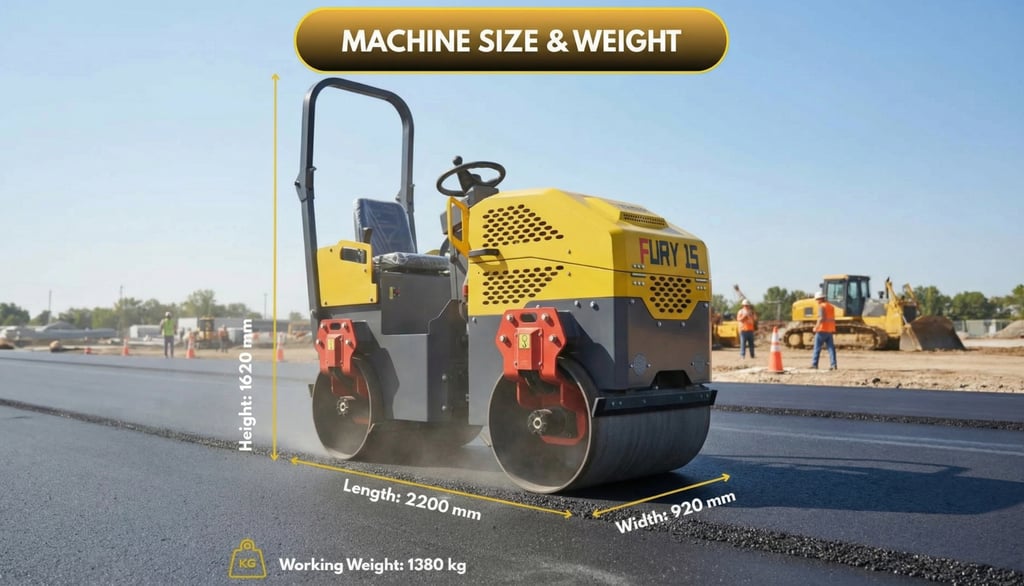
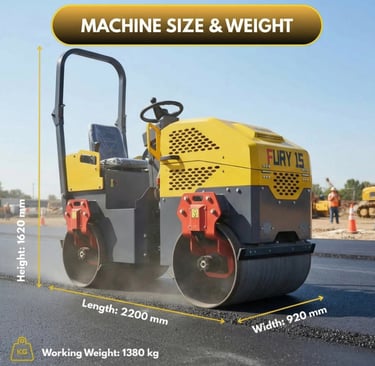
A strong foundation is the first step in any successful construction project. The longevity of the structure above it depends on the quality of your compacted base, whether you are preparing a commercial building pad or paving a new highway. Inadequate compaction causes asphalt cracks, shifting soils, and costly repairs down the road. Modern contractors rely heavily on sophisticated equipment capabilities to achieve the ideal base.
This guide takes a close look at how roller vibration technology is changing the game in heavy construction. We’ll explore how these powerful systems can boost the quality of your job site and make compaction much more efficient. You’ll learn about the key benefits of vibration, like increasing material density and cutting down on operating costs.
By understanding how this equipment works, you’ll be able to make smarter, more profitable decisions. We’ll offer expert tips on how to evaluate things like frequency and amplitude, so you’ll know exactly what to focus on when picking the right roller for your project.
The Science Behind Roller Vibration Technology
Traditional static rollers rely entirely on their sheer physical weight to press materials into place. While this method works for thin layers of asphalt, it falls short when dealing with deep lifts of soil or thick aggregate bases. Static weight alone cannot penetrate deeply enough to eliminate the microscopic air voids hidden beneath the surface.
Roller vibration technology solves this problem by combining static weight with dynamic force. Inside the heavy steel drum, a rapidly spinning eccentric weight creates a continuous, powerful vibration. This vibration sends shockwaves deep into the ground.
The soil particles or asphalt aggregates are quickly shaken by these dynamic shockwaves. The particles can instantly realign and pack tightly together because the strong movement eliminates the natural friction that is keeping them apart. Static rolling just cannot match the dense, extremely stable foundation that operators achieve by using both downward pressure and active vibration.
Core Benefits of Advanced Compaction
Investing in machinery equipped with modern vibration systems delivers immediate returns on the job site. The benefits extend far beyond simply meeting engineering specifications. Utilizing this technology optimizes your entire operational workflow and protects your bottom line.
Achieving Superior Material Density
Engineers demand specific density targets to ensure a site can support heavy structural loads. Failing a compaction test delays the entire project and forces your crew to rework the same area multiple times. Vibration technology guarantees you hit these strict density targets consistently and reliably.
The dynamic force rearranges materials into their most compact, interlocking state. This eliminates the hidden air and water pockets that cause future settling. Whether working with cohesive clay or granular gravel, the vibrating drum ensures uniform density from the top of the lift all the way down to the subbase.
Reducing Passes and Saving Time
Time is your most valuable asset on any construction site. Every pass a machine makes across a stretch of ground consumes fuel, labor hours, and machine life. A standard static machine might require six to eight passes to achieve the necessary compaction on a thick layer of aggregate.
A machine utilizing roller vibration technology often achieves the exact same density in just three or four passes. The active shaking force accomplishes in minutes what static pressure takes hours to do. Slashing your required passes in half accelerates your project timeline, allowing your crew to move on to the next profitable phase of construction much sooner.
Lowering Operational Costs
More efficiency means more profit. When you cut down on the number of passes needed to compact a site, your daily operating costs go down right away. Your engine runs for fewer hours, which greatly lowers the amount of diesel fuel it uses. Fewer passes also mean that your expensive machinery won't wear out as quickly. The hydraulic pumps, drive motors, and parts of the undercarriage are under a lot less stress. When you make the most of your compaction efficiency, you make your fleet last longer and cut down on the number of times you have to do expensive preventative maintenance and mechanical repairs.
Understanding Frequency and Amplitude
To leverage vibration technology effectively, operators must understand its two fundamental components: frequency and amplitude. These two metrics define exactly how the drum interacts with the ground beneath it. Mastering these concepts is essential for professional compaction.
The Role of Frequency
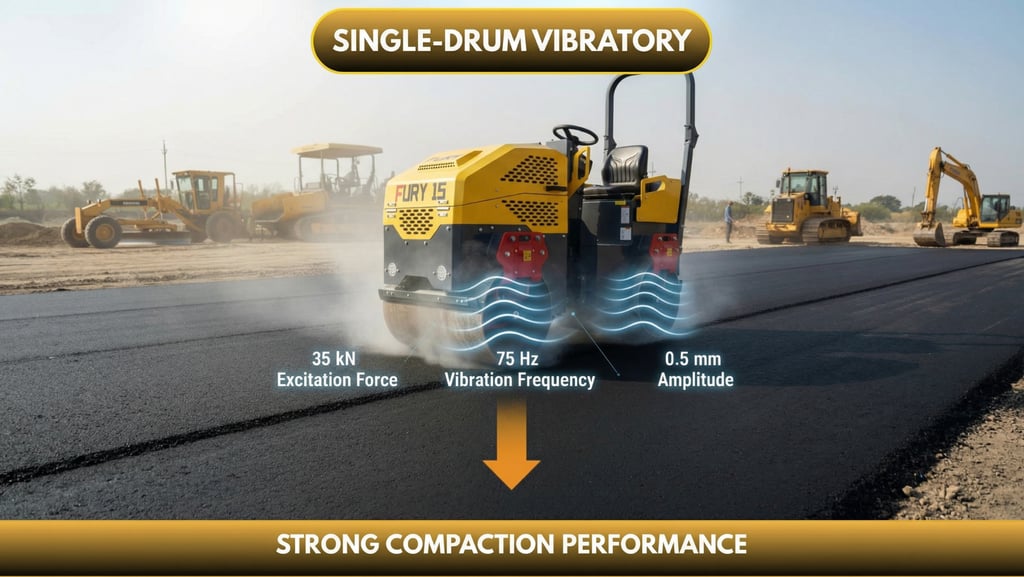
Frequency measures how fast the eccentric weight spins inside the drum. We typically calculate this in vibrations per minute (VPM) or Hertz (Hz). A high-frequency setting means the drum hits the ground very rapidly, creating a rapid succession of lighter impacts.
High frequency works best for compacting thin lifts of material and sensitive asphalt surfaces. The rapid, tight vibrations smooth out the top layer without shattering the aggregate below. Operators utilize high frequency when the goal is surface perfection and sealing the final pavement mat.
The Impact of Amplitude
The physical distance the drum moves up and down is called its amplitude. When the amplitude is set high, the drum lifts higher off the surface and comes down with a strong, powerful impact. This creates a deep, penetrating shockwave.
High amplitude is essential for compacting deep trenches, thick soil layers, or heavy stone bases. The strong downward force breaks through the dense material, helping the bottom layers settle firmly. But using high amplitude on thin layers or fragile asphalt can damage the material completely. That’s why choosing the right setting is so important.
Choosing the Right Roller for Your Project
The effectiveness of your compaction efforts depends on the equipment you choose. Selecting the appropriate roller necessitates matching the physical requirements of your job site materials with the machine's unique vibratory capabilities. You have to assess the final project specifications, the lift thickness, and the type of soil.
When dealing with granular soils like sand and gravel, you need a smooth drum machine that offers a balanced mix of frequency and amplitude. The vibration easily shakes the loose particles into a tight, interlocking matrix. If your project involves cohesive, sticky clay, a smooth drum will simply slide across the surface. For clay, you need a padfoot drum equipped with high-amplitude capabilities to knead the soil together aggressively.
Always review the manufacturer's performance charts before putting a machine to work. Ensure the equipment offers dual-amplitude and variable-frequency settings. This flexibility allows your operators to adjust the dynamic force on the fly as soil conditions change across the job site. A versatile machine guarantees you can handle multiple phases of construction with a single asset.
Conclusion
Roller vibration technology fundamentally changes how contractors approach site preparation and paving. By combining heavy static weight with powerful dynamic shockwaves, these machines deliver unmatched compaction efficiency. They allow your crew to achieve perfect material density in fewer passes, drastically reducing your operational costs and protecting your project timelines.
To guarantee professional results, you must understand the relationship between frequency and amplitude. Train your operators to adjust these settings based on the specific lift thickness and soil types they encounter daily. Choosing the right roller ensures your business consistently meets strict engineering standards and avoids costly rework.
Take time to evaluate your current compaction fleet and assess your typical project requirements. Review your standard operating procedures to ensure your crew fully utilizes the variable vibration settings on your machines. By prioritizing advanced compaction techniques, you deliver the reliable, rock-solid foundations your clients demand.
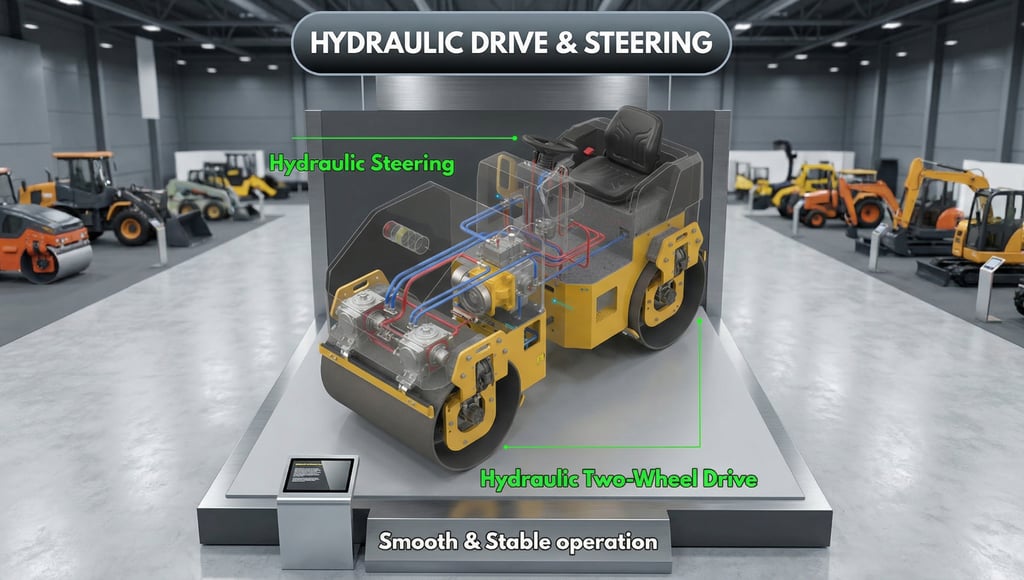
Leading provider of heavy equipment solutions in the US such as mini excavator diggers and skid steers. When looking for a reliable mini excavator supplier, look for New Excavator. Quality compact mini excavators backed by a strong after sales service and a widespread inventory of spares.
Contact us for equipment inquiries
© 2026. All rights reserved USA EXCAVATORS
Follow us now