Free Shipping Sitewide | 1 Year Warranty

Seasonal Maintenance Tips for Construction Equipment
Discover essential seasonal maintenance equipment strategies to protect your heavy machinery from winter freezes, summer heat, and rainy season moisture.
5/2/20264 min read
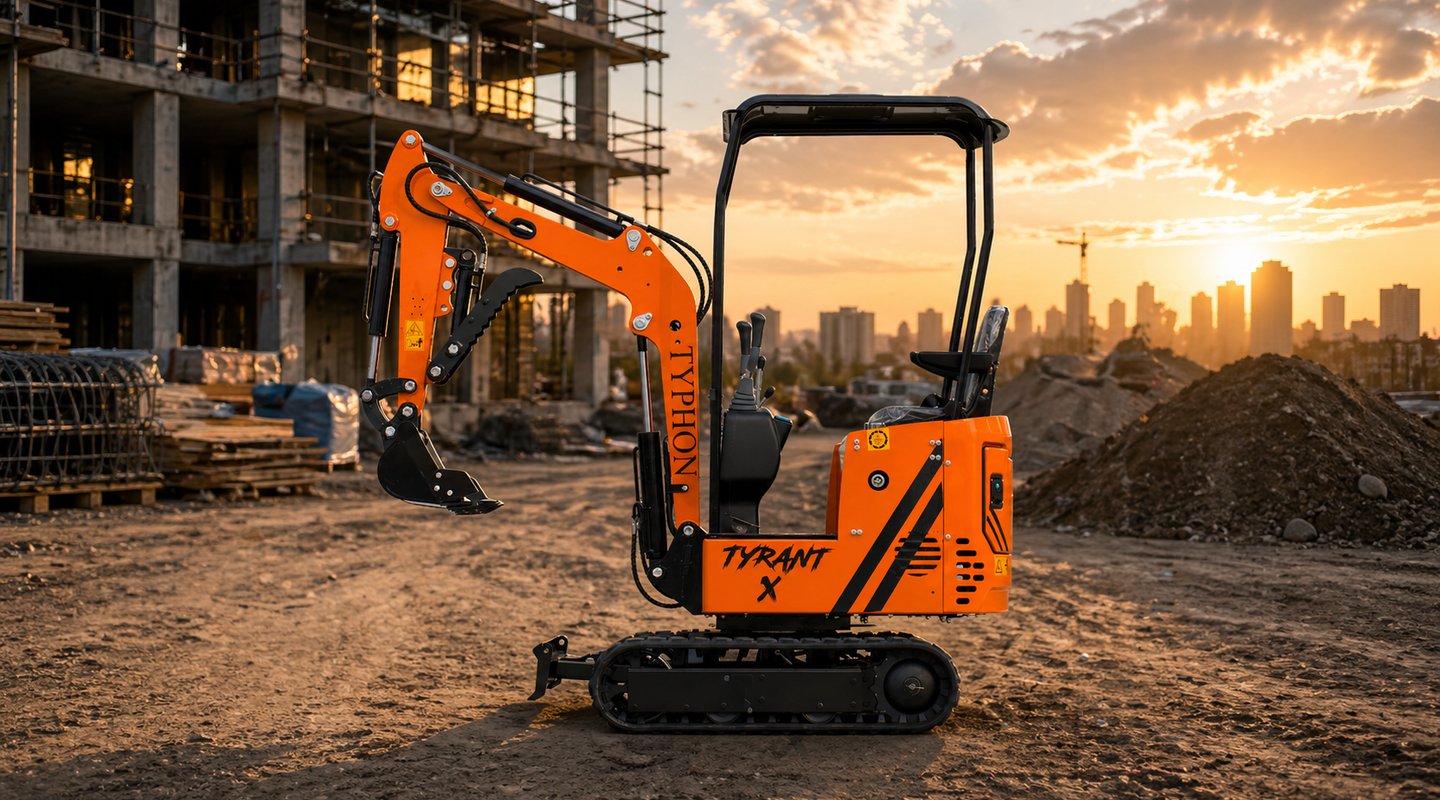
Heavy machinery represents a massive financial investment that must perform reliably year-round. Every change in the weather introduces new threats to your fleet, from frozen hydraulics to overheating engines. Treating your maintenance program as a static routine leaves your equipment vulnerable to catastrophic failures and costly downtime. We know you need absolute dependability to keep your projects on schedule and protect your bottom line.
Securing that dependability requires a proactive approach to weather-related wear and tear. You must anticipate how temperature extremes and varying moisture levels impact internal components. Proper seasonal maintenance equipment planning ensures your machines operate safely and efficiently, regardless of the forecast. By adjusting your service protocols to match the climate, you drastically extend the lifespan of your valuable assets.
This comprehensive guide breaks down exactly how to prepare your construction equipment for different seasonal challenges. We will explore practical strategies for battling winter freezes, surviving scorching summer heat, and managing deep mud during the rainy season. Read on to learn how to adapt your maintenance program and keep your fleet working profitably through every season.
The Importance of Seasonal Maintenance Equipment Planning
Standard maintenance schedules assume a controlled operating environment. On a real construction site, environmental conditions constantly attack your machinery. A fluid that lubricates perfectly at 70 degrees Fahrenheit might turn into thick sludge at zero degrees. Failing to adjust for these swings guarantees excessive mechanical strain.
Incorporating seasonal maintenance equipment protocols into your fleet management strategy protects your warranties and prevents surprise breakdowns. It empowers your operators to work confidently, knowing their machines can handle the specific environmental stress of the current season. You stop reacting to weather-induced failures and start preventing them entirely.
Winter Maintenance: Battling the Freeze
Winter introduces the most aggressive threats to heavy machinery. Freezing temperatures cause metal to become brittle, fluids to thicken, and batteries to lose power. You must prepare your fleet long before the first snow falls to ensure continuous operation.
Fluid Management in Freezing Temperatures
Engine oil, hydraulic fluid, and coolant all react poorly to sub-zero temperatures. Standard summer-weight oils thicken significantly in the cold, forcing the engine to work incredibly hard just to turn over. This lack of initial lubrication causes severe internal engine wear during cold startups.
Transition your fleet to lighter, winter-grade oils and hydraulic fluids that flow easily in freezing temperatures. Additionally, test your engine coolant with a hydrometer to ensure it has the proper freeze protection rating. If the coolant freezes inside the engine block, the expanding ice will crack the cast iron, destroying the engine completely.
Battery Care and Electrical Systems
Cold weather violently drains battery power. A battery that functions perfectly in July might struggle to spin a cold engine in January. The chemical reactions that generate electricity slow down as the temperature drops, drastically reducing the cold cranking amps available to the starter.
Perform load tests on all equipment batteries before winter begins. Clean the terminals thoroughly to ensure a strong connection, and apply a dielectric grease to prevent corrosion. For machines operating in extreme cold, install battery warmers or engine block heaters to guarantee reliable morning startups.
Undercarriage and Tire Inspections
Rubber tires become rigid in freezing temperatures, making them highly susceptible to cracking and blowouts. Check tire pressures daily, as cold air causes the pressure to drop significantly. Underinflated tires reduce the machine's stability and fuel efficiency.
For tracked equipment, winter brings the threat of frozen mud. At the end of every shift, operators must clean the undercarriage thoroughly. If mud freezes solid around the idlers and sprockets overnight, moving the machine the next morning will tear the rubber tracks or snap the drive components.
Summer Maintenance: Beating the Heat
While winter freezes components, summer heat destroys them through friction and thermal breakdown. Scorching temperatures push cooling systems to their absolute limits. You must prioritize heat management to prevent your equipment from burning up on the job site.
Cooling Systems and Radiators
The cooling package is your primary defense against summer heat. Overheating remains the leading cause of heavy equipment failure during the warmer months. Dust, dirt, and debris quickly clog radiator fins, preventing vital air circulation.
Instruct your operators to blow out radiators and cooling fans with compressed air daily. Check the tension on fan belts, as a slipping belt reduces the fan's speed and causes immediate overheating. Flush the cooling system according to the manufacturer's recommendations and refill it with a high-quality, high-temperature coolant mixture.
Lubrication and Heat Friction
High operating temperatures thin out standard greases, causing them to leak out of structural pins and bushings. Once the grease escapes, metal grinds directly against metal. This friction generates even more heat, accelerating the destruction of your pivot points.
Switch to high-temperature, heavy-duty greases designed specifically to withstand the summer heat. Increase your greasing intervals, ensuring operators pump fresh grease into all critical joints frequently. Keeping these components properly lubricated reduces mechanical strain and prevents costly mid-summer breakdowns.
Rainy Season: Managing Moisture and Mud
Spring and autumn typically bring heavy rains, turning solid job sites into deep, abrasive mud pits. Moisture threatens your electrical systems, while mud acts like liquid sandpaper on your moving parts. Protecting your seasonal maintenance equipment from water damage requires rigorous daily attention.
Sealing and Rust Prevention
Water relentlessly seeks out unprotected electrical connections and exposed metal. Once moisture breaches a wiring harness, it causes severe corrosion, leading to phantom error codes and sudden machine shutdowns. Rust attacks scratched paint and exposed hydraulic cylinder rods, compromising the integrity of the steel.
Inspect all weather stripping around the cab to keep operators dry and protect interior electronics. Apply specialized water-displacement sprays to electrical connectors. Retract hydraulic cylinders when parking the equipment overnight to protect the polished rods from rain and ambient moisture.
Mud Removal and Greasing
Operating in deep mud coats the entire machine in heavy, abrasive debris. This mud packs tightly into the tracks, steering linkages, and suspension components. If left unchecked, it wears down structural pins and grinds away expensive undercarriage parts.
Aggressive cleaning is mandatory during the rainy season. Pressure wash the equipment at the end of the day to remove packed mud before it hardens. After washing, immediately grease all pivot points. Pumping fresh grease into the joints physically pushes out any water or abrasive grit that sneaked in during the workday, protecting the internal bearings.
Conclusion
Maximizing the profitability of your construction fleet requires absolute control over your maintenance strategy. You cannot afford to let unpredictable weather dictate your operational uptime. By treating your machinery as dynamic assets that require specific, climate-focused care, you protect your investment and secure reliable performance.
Implementing rigorous seasonal maintenance equipment protocols is the most effective way to combat extreme temperatures, deep mud, and freezing conditions. Switch out your fluids, prioritize your cooling systems, and demand rigorous daily cleaning from your operators. Prepare your fleet for the upcoming season today, and ensure your equipment continues to deliver powerful, profitable results all year long.
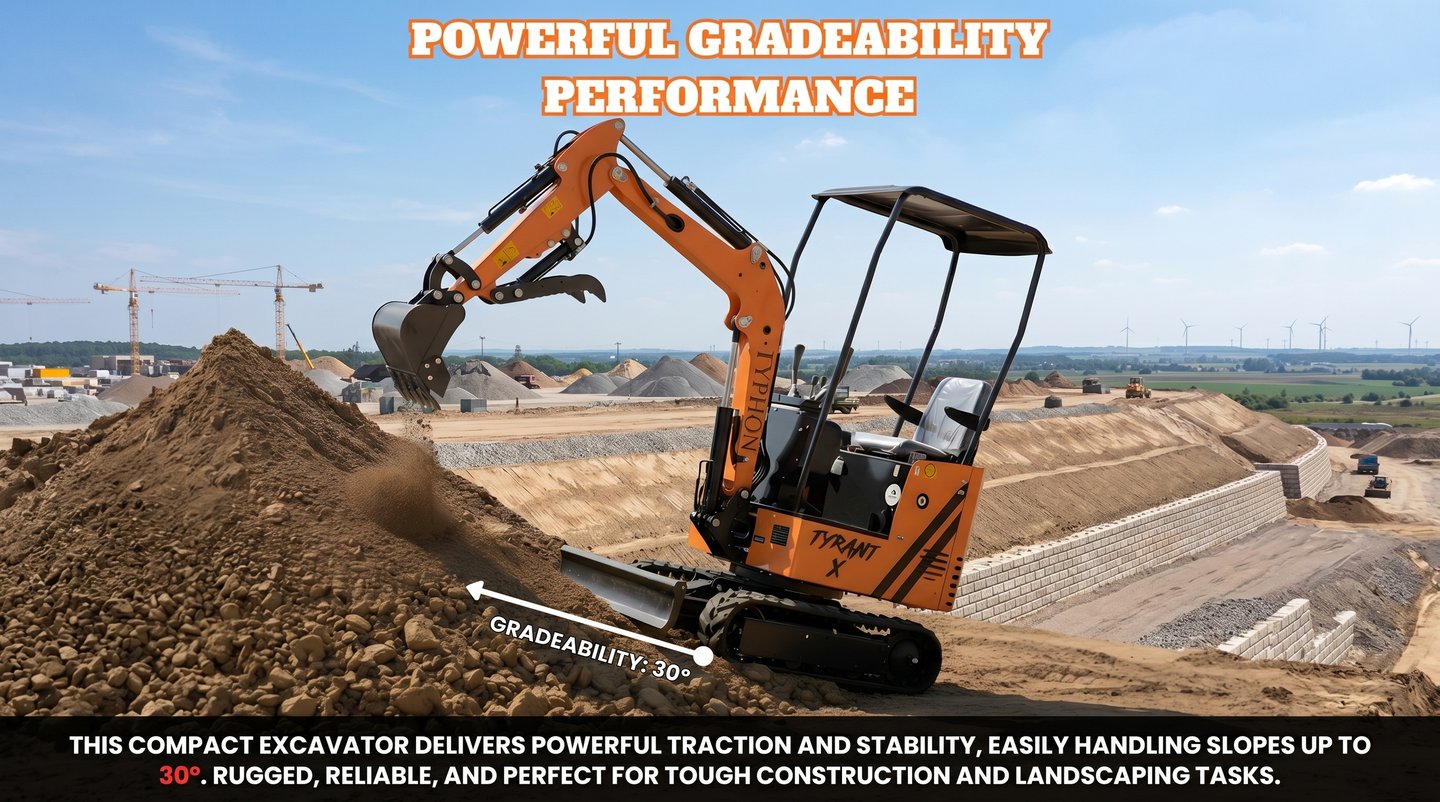

Leading provider of heavy equipment solutions in the US such as mini excavator diggers and skid steers. When looking for a reliable mini excavator supplier, look for New Excavator. Quality compact mini excavators backed by a strong after sales service and a widespread inventory of spares.
Contact us for equipment inquiries
© 2026. All rights reserved USA EXCAVATORS
Follow us now