Free Shipping Sitewide | 1 Year Warranty

Wheel Loader vs Forklift for Material Handling
Discover the core differences in the loader vs forklift debate. Learn how terrain, load type, and maneuverability dictate the best machine for your operation.
5/9/20265 min read
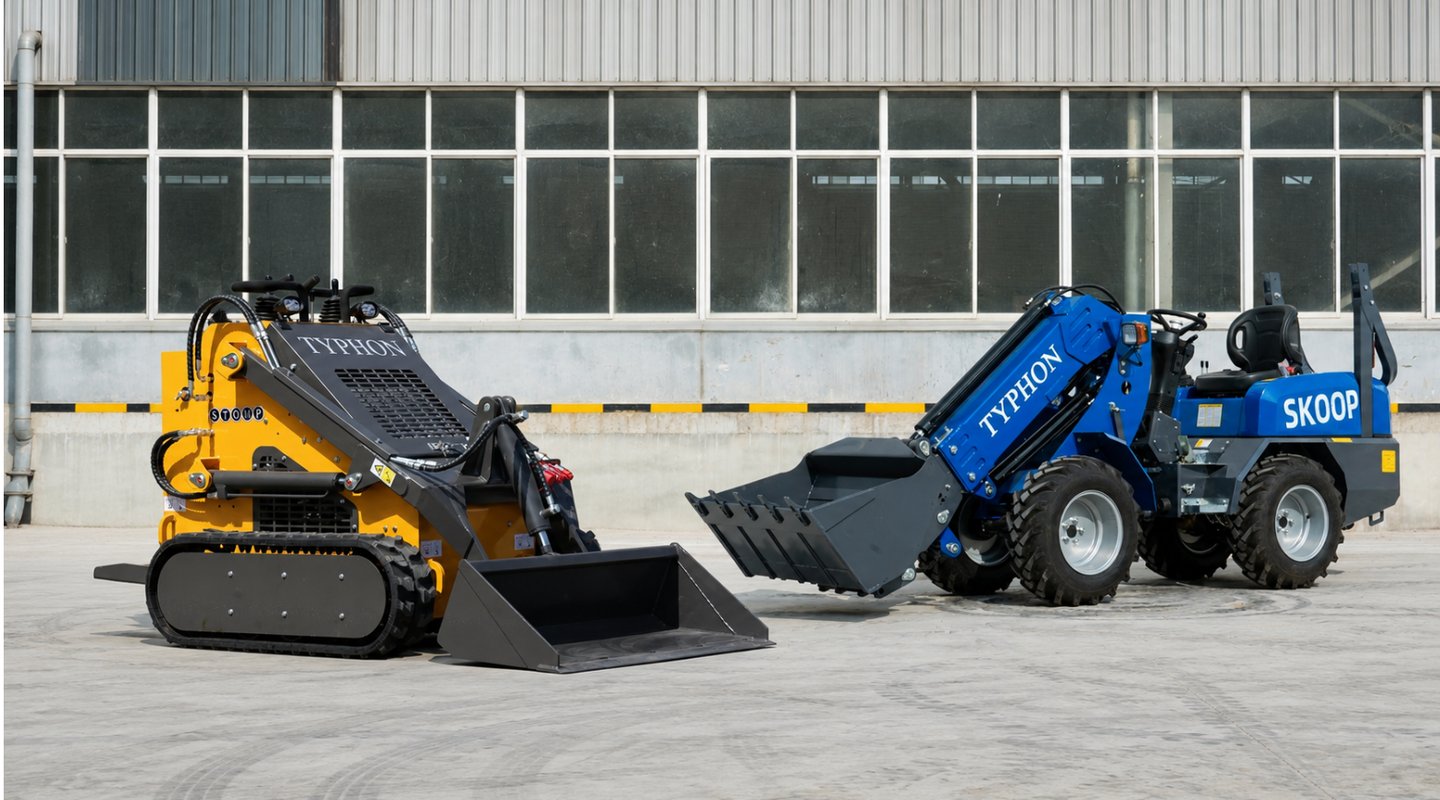
Selecting the right heavy equipment for your material handling operation directly impacts your daily productivity and overall profitability. When you need to move heavy materials across a busy facility or a rugged construction site, making the wrong machinery choice leads to severe logistical bottlenecks and unnecessary operational expenses. You need reliable, highly capable equipment that matches the specific physical demands of your unique working environment. The loader vs forklift debate represents one of the most common dilemmas faced by fleet managers and site foremen looking to optimize their daily workflows.
Understanding the fundamental mechanical differences between these two powerhouse machines empowers your business to operate with exceptional efficiency. While both machines excel at lifting and transporting heavy loads, they approach the task using completely different engineering philosophies. By evaluating how each machine handles different terrains, load types, and spatial constraints, you can make a highly informed, authoritative purchasing decision. This comprehensive guide explores exactly when you should rely on the raw earthmoving power of a wheel loader and when the surgical precision of a forklift serves as the superior operational choice.
The Mechanics of Material Handling and Lift Style
The most profound difference between these two machines lies in their fundamental lifting mechanics. A forklift operates using a vertical mast system designed to lift heavy palletized materials straight up into the air. This vertical lifting style allows the machine to stack goods safely on high-tier warehouse racking or load standard commercial shipping containers with absolute precision. The center of gravity remains tightly controlled within the wheelbase of the machine, ensuring exceptional stability when lifting standardized, uniform loads to extreme heights.
Conversely, a wheel loader utilizes a massive front-mounted boom arm system designed primarily for aggressive pushing and heavy scooping. The lift path of a wheel loader travels in a sweeping arc rather than a straight vertical line. This sweeping motion provides the immense breakout force required to pry heavy aggregate materials loose from a compacted stockpile. While the loader can lift materials high enough to clear the sidewalls of a commercial dump truck, it cannot replicate the extreme vertical reach or the perfect linear stability provided by a traditional forklift mast.
These distinct lifting styles dictate exactly how your operators will interact with your inventory. When your daily operations require precise vertical stacking and meticulous inventory organization, the mast system proves completely indispensable. However, when your primary goal involves rapidly scooping, carrying, and dumping massive volumes of loose, unpalletized material, the robust boom arm geometry of the wheel loader delivers unmatched mechanical superiority.
Conquering the Terrain: Indoor vs Outdoor Environments
The physical environment of your facility plays a massive role in determining which machine will deliver the most reliable return on your investment. Forklifts are generally engineered for smooth, highly predictable surfaces. Standard warehouse forklifts utilize smooth cushion tires that glide effortlessly over polished concrete floors but instantly lose traction the moment they touch loose gravel or wet mud. While rough-terrain forklifts certainly exist, their long wheelbases and mast configurations still require relatively stable, moderately level ground to operate safely without risking a catastrophic tip-over incident.
Wheel loaders are explicitly designed to dominate unpredictable, chaotic outdoor environments. These machines feature massive, deeply treaded rubber tires, high ground clearance, and highly advanced four-wheel-drive systems. A wheel loader effortlessly powers through deep mud, drives over severe ruts, and climbs steep aggregate stockpiles without ever losing its mechanical footing. The articulated steering joint allows the massive tires to maintain continuous contact with uneven earth, ensuring your material handling operation never stalls during severe weather events or challenging job site conditions.
If your operation transitions frequently between a paved loading dock and a rugged outdoor staging yard, you must carefully evaluate your terrain limitations. Forcing a standard forklift into a muddy outdoor environment damages the equipment and endangers your workforce. Deploying a wheel loader ensures your team can transport heavy materials across the most unforgiving landscapes with absolute professional confidence.
Evaluating Specific Load Types and Capacities
Matching your machinery to the specific physical characteristics of your inventory is essential for safe and highly profitable material handling. Forklifts are the undisputed champions of moving palletized, uniform goods. The twin steel forks slide perfectly into standard wooden pallets, securing heavy crates, stacked lumber, and fragile consumer goods. The machine supports the load evenly from underneath, allowing the operator to transport highly sensitive materials without causing crushing damage or dangerous weight shifts during transit.
Wheel loaders are engineered to handle dynamic, loose, and highly abrasive materials. Equipped with massive steel buckets, these machines scoop tons of crushed stone, loose dirt, blasted rock, and heavy demolition debris in a single rapid pass. The bucket acts as a massive containment vessel, preventing loose aggregate from spilling across the job site during high-speed transport. While you can attach pallet forks to a wheel loader to move uniform goods, the machine's primary strength will always remain its ability to manage massive volumes of unpredictable, unpalletized bulk material.
Understanding your primary load type eliminates the guesswork from your equipment selection process. If your revenue depends on loading and unloading commercial freight trucks filled with neatly organized pallets, the forklift provides the exact surgical tool you need. If your business revolves around feeding raw earth and stone into heavy industrial crushers, the wheel loader stands as the only logical, highly profitable choice for your fleet.
Navigating Tight Spaces and Maneuverability
Spatial limitations constantly challenge equipment operators and dictate the overall flow of your commercial logistics. Indoor warehousing facilities maximize their profitable square footage by building incredibly narrow storage aisles and low-clearance doorways. Forklifts are specifically engineered to thrive in these highly restricted spaces. The compact chassis, tight turning radius, and rear-wheel steering mechanics allow a forklift operator to pivot sharply within confined aisles and align perfectly with industrial storage racks.
Wheel loaders require significantly more operational breathing room. Even compact wheel loader models demand wide sweeping areas to utilize their articulated steering systems effectively. When a wheel loader turns, the front and rear halves of the machine pivot at the center joint, creating a massive physical footprint that easily collides with narrow warehouse racking or tight commercial staging areas. Bringing a large wheel loader into a congested indoor facility severely slows down your daily progress and introduces completely unnecessary safety hazards to your ground crew.
You must deeply analyze the physical layout of your primary operating zones before finalizing your heavy equipment investment. Choosing the machine that physically fits your environment ensures your operators can work quickly, confidently, and safely. Respecting these spatial constraints protects your valuable infrastructure from accidental impact damage and keeps your material handling workflow moving at maximum speed.
Making the Right Choice for Your Operation
Deciding the winner of the loader vs forklift debate requires a thorough, highly honest assessment of your core business activities. You cannot expect a single machine to perform every possible material handling task with equal efficiency. Contracting firms, municipal waste facilities, and heavy aggregate quarries universally depend on the brute force and all-weather capabilities of the wheel loader to maintain their aggressive production schedules. These heavy earthmovers guarantee that your operations never stop, regardless of how unforgiving the outdoor environment becomes.
Conversely, commercial distribution centers, retail lumber yards, and massive manufacturing plants rely entirely on the precise vertical lifting capabilities of the forklift. The ability to stack inventory neatly, navigate narrow indoor aisles, and load commercial freight trucks smoothly makes the forklift the absolute backbone of the global supply chain. By acknowledging the precise strengths and inherent limitations of both platforms, you empower your management team to allocate capital strategically and effectively.
Conclusion
Maximizing the profitability of your material handling operation requires equipping your dedicated workforce with the exact mechanical tools they need to succeed. You simply cannot afford to let poorly matched equipment slow down your commercial workflows or damage your expensive inventory. By deeply understanding the crucial differences between vertical mast lifting and robust boom arm scooping, you secure a massive competitive advantage in your specific industry.
We encourage you to evaluate your current job site conditions, analyze your primary material types, and measure your spatial restrictions carefully. Invest confidently in the heavy machinery that perfectly aligns with your daily operational demands. By prioritizing the right mechanical solution, you protect your hardworking employees, streamline your complex logistical challenges, and ensure your business remains a deeply trusted, highly authoritative leader in the demanding material handling sector.
Leading provider of heavy equipment solutions in the US such as mini excavator diggers and skid steers. When looking for a reliable mini excavator supplier, look for New Excavator. Quality compact mini excavators backed by a strong after sales service and a widespread inventory of spares.
Contact us for equipment inquiries
© 2026. All rights reserved USA EXCAVATORS
Follow us now